
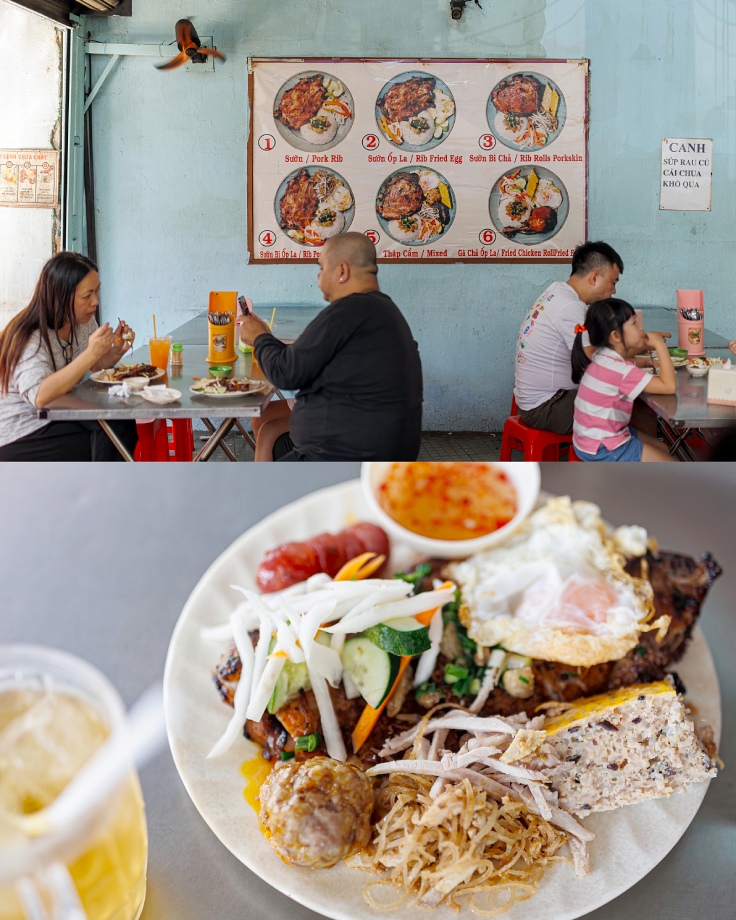
There’s a familiar rhythm to dining at a chain restaurant. The menu is a known quantity, the ambiance is meticulously replicated from city to city, and the experience is engineered for consistency. But while consistency is comfortable, it lacks a soul. It lacks the story of a family recipe passed down through generations, the quirky charm of a room shaped by decades of history, or the passionate, unpredictable genius of a chef cooking from their heart.
This guide is your invitation to move beyond the chain—to embark on a culinary adventure right in your own backyard. Discovering hidden gem restaurants is more than just finding a new place to eat; it’s about connecting with your community, supporting local dreams, and tasting the authentic flavor of your city. It’s about finding those unassuming storefronts, the places without massive marketing budgets, where the food is so good it’s kept alive by the fervent whispers of dedicated regulars.
As a seasoned food writer and culinary tour guide with over a decade of experience exploring the dining scenes of cities across the USA, I’ve made it my mission to find these spots. I don’t rely on paid promotions or trendy “influencer” picks. My methodology is built on old-school legwork, conversations with chefs and farmers, and a simple, unwavering belief that the best food tells a story. This guide will not only give you the tools to find these gems but will also teach you how to become a discoverer yourself.
Chapter 1: The Hallmarks of a True Hidden Gem
Before we start the hunt, let’s define what we’re looking for. A “hidden gem” isn’t just a small restaurant; it’s a place with a specific, magical alchemy. Here are the key ingredients:
1. The Unassuming Exterior:
Often, the best food is found in the least flashy places. Look for restaurants in converted houses, unmarked doors in alleyways, strip malls you’ve driven past a hundred times, or basements with only a small sign. The focus here is on the food, not the facade. I’ve had life-changing bowls of pho in a place that shared a parking lot with a laundromat and tasted pasta that rivaled a Roman trattoria in a dining room that felt like my Italian grandmother’s living room.
2. The Passionate Proprietor:
In a hidden gem, you’re likely to be greeted by the owner, who might also be the host, server, or chef. Their presence is palpable. They care deeply about every detail because their name is on the door—and in the food. You can feel their pride when you take your first bite and their genuine gratitude when you compliment the meal. This personal connection is something no corporate chain can ever replicate.
3. A Concise, Focused Menu:
While a Cheesecake Factory menu is a novel of options, a hidden gem’s menu is often a carefully curated short story. A small menu indicates that ingredients are fresh, dishes are made to order, and the kitchen has mastered its offerings. It’s a sign of confidence, not a lack of creativity. They’d rather do ten things exceptionally well than fifty things mediocrely.
4. The Scent of Authenticity:
This is about more than just the aroma of garlic and onions. Authenticity comes from a connection to heritage, region, and technique. It might be a Oaxacan restaurant where the moles are still ground by hand on a metate, a Sichuan place that doesn’t tone down its mouth-numbing ma la spice for American palates, or a soul food joint where the greens are cooked with a smoked turkey neck just like the chef’s grandmother taught them.
5. A Clientele of “In-the-Know” Locals:
Pay attention to the other diners. Are they a mix of multi-generational families, chefs on their night off, and friends enthusiastically recommending dishes to each other? A room filled with people who found this place through word-of-mouth is a very good sign. You’ll often hear phrases like, “You have to try the [obscure dish]—it’s the real reason we come here.”
6. Value that Exceeds the Price:
Hidden gems are not always “cheap,” but they almost always represent incredible value. The portion sizes, the quality of ingredients, the care in preparation—when you weigh it all, you leave feeling that the experience was worth far more than you paid. Your money goes directly to supporting a local family and their craft, not to a corporate shareholder.
Chapter 2: Your Toolkit for the Hunt: How to Find Your New Favorite Spot
Now for the practical part. How do you actually find these places? Forget the front page of major delivery apps. Here are the proven methods.
1. Master the Art of the “Food-Focused” Google Search:
Move beyond simple searches like “best restaurants near me.”
- Try “best [specific cuisine] in [your neighborhood]” e.g., “best Ethiopian food in Queen Anne.”
- Search for “[Your City] food gems” or “[Your City] underrated restaurants.”
- Look up “[Your City] chef hangouts” or “where do chefs eat in [Your City].” Industry insiders always know where to find the good stuff.
2. Go Beyond the First Page of Yelp/Google:
The top-rated spots on these platforms are often there due to volume and marketing. The real treasures are on page two, three, or four. Look for places with a smaller number of reviews (say, 50-300) but a very high average rating (4.7+ stars). Read the reviews carefully. Look for comments like, “I don’t want to tell anyone about this place!” or “How is this place not packed every night?” These are golden tickets.
3. Leverage Local Food Media and Bloggers (Critically):
Find the local food writers and bloggers who have been covering your city’s scene for years. They often have more nuanced, in-depth knowledge than national publications. Look for their “neighborhood guides” or “underappreciated spots” lists. Be wary of bloggers who only post about brand-new, heavily promoted restaurants.
4. Talk to People (The Old-Fashioned Way):
This is the most effective method.
- Ask Your Barista or Bartender: People in the service industry work w odd hours and know where to get a great meal after their shift.
- Chat with Local Shop Owners: The person at the butcher counter, the local grocer, or the independent bookstore owner. They are pillars of the community and know what’s good.
- Strike up a conversation at a Farmers’ Market: Ask a farmer who grows beautiful produce which restaurants are buying their ingredients. Chefs who care about sourcing are often the ones cooking with passion.
5. Use “Foodie” Social Media Intelligently:
Instagram and TikTok can be useful if you know how to filter the noise.
- Don’t just follow the biggest accounts. Follow local chefs, food photographers, and hyper-local community pages.
- Look for geo-tags in your neighborhood and see what people are posting.
- Use specific hashtags like #EatLocal[YourCity] or #[YourCity]Food.
6. Just Explore:
Get in your car, on your bike, or on your feet and explore a neighborhood you don’t know well. Drive down the main commercial strip, but then turn onto the side streets. Look for clusters of cars, small signs, and windows with steam on them. Sometimes the best find is the one you stumble upon entirely by accident.
Chapter 3: A Culinary Compass: Hidden Gem Archetypes to Look For
To help guide your search, here are some common types of hidden gems you’re likely to encounter across the American culinary landscape.
1. The Family-Run Ethnic Enclave:
This is the quintessential hidden gem. Often located in an ethnic enclave or an unassuming plaza, these restaurants serve as a de facto community center. The decor might be simple, the service might be charmingly slow, but the food is a direct portal to another culture. Think of a tiny storefront serving handmade tortillas, a Korean diner run by a halmoni (grandmother), or a Filipino turo-turo (point-point) spot.
2. The Chef’s Counter/Omakase Experience:
A growing trend is the tiny restaurant, sometimes with only a dozen seats, where the chef prepares a fixed menu right in front of you. This is the ultimate expression of trust. You surrender control and allow the chef to take you on a culinary journey. These experiences are often found by word-of-mouth and require reservations weeks or months in advance, precisely because they are so personal and exceptional.
3. The Reimagined Diner or Dive Bar:
Don’t overlook the classic American diner or the neighborhood dive bar. A new generation of chefs is taking over these iconic spaces, keeping the nostalgic atmosphere but elevating the food with high-quality, locally-sourced ingredients. You can still get a burger and a beer, but the burger is made with grass-fed beef and house-made pickles, and the beer is from the brewery down the street.
4. The “Ghost Kitchen” with a Physical Home:
While the term “ghost kitchen” often refers to delivery-only concepts, many of the best hidden gems operate in a similar, low-overhead way. They might be a tiny kitchen inside a brewery, a coffee shop that transforms into a ramen bar at night, or a market stall with a few stools. The lack of a traditional restaurant space allows them to focus all their resources on the food.
5. The Hyper-Seasonal Farm-to-Table Bistro:
These are often the passion projects of chefs who have left the high-pressure fine-dining world. They are small, intimate, and their menus change weekly—sometimes daily—based on what’s available from their network of local farmers, fishers, and foragers. Eating here is a celebration of your region’s terroir at its peak.
Read more: The Age Factor: A Look at Generational Change and Leadership in American Politics
Chapter 4: The Explorer’s Code: How to Be a Great Patron
Finding a hidden gem is a privilege. To ensure these special places thrive, it’s our responsibility to be good guests.
1. Be Patient and Present.
Service may be slower because food is made from scratch. The owner might be the only one working the floor. Relax, enjoy the company you’re with, and appreciate the fact that you aren’t being rushed out the door.
2. Trust the Chef and Step Out of Your Comfort Zone.
Ask what the chef is most proud of, or what’s a classic dish from their region. Order the thing you’ve never heard of. The most memorable meals often come from taking a chance.
3. Understand the Economics.
These restaurants operate on thin margins. Pay with cash if it’s a “cash-only” establishment (they often are to avoid credit card fees). Tip generously. Consider buying a gift card or merchandise to support them during slow seasons.
4. Become a Regular.
The relationship between a patron and a small restaurant owner is a beautiful thing. When you become a regular, you’re not just a customer; you become part of the story. They’ll remember your name, your favorite dish, and they might even start offering you off-menu treats.
5. Spread the Word—Thoughtfully.
The instinct is to shout your discovery from the rooftops, and while support is vital, be mindful. Tell your friends in person, share it in a private group chat, or write a thoughtful, detailed review that focuses on the food and the story, not just a star rating. Help preserve the very intimacy that made you love it in the first place.
Conclusion: The Feast is Waiting
The landscape of American dining is not defined by its monolithic chains, but by the vibrant, diverse, and passionate tapestry of independent restaurants that give each city its unique flavor. Venturing beyond the chain is an act of culinary curiosity and community support. It’s a commitment to eating with intention and seeking out stories, not just sustenance.
So, the next time you feel the familiar pull of a predictable menu, resist it. Take a different route home. Follow a recommendation from someone you trust. Be brave, be curious, and walk through that unmarked door. A feast, and a story, are waiting for you just around the corner.
Read more: The Border Battleground: Immigration Policy and Its Central Role in the Political Arena
Frequently Asked Questions (FAQ)
Q1: Aren’t “hidden gems” often just dirty or have poor health standards?
This is a common misconception. A modest or dated interior does not equate to poor hygiene. In fact, passionate owners often take immense pride in their kitchen’s cleanliness. You can (and should) always check your local health department’s online database for the restaurant’s latest inspection score. A clean bill of health from the health department, coupled with positive word-of-mouth, is a reliable indicator.
Q2: I have dietary restrictions (vegan, gluten-free, allergies). Can I still explore hidden gems?
Absolutely, but it requires a different approach. Call the restaurant during off-peak hours (e.g., between 2-4 pm) and speak to a manager or chef directly. Explain your restrictions clearly. A passionate chef at a small restaurant often has more flexibility to accommodate you than a line cook at a chain following a corporate recipe. Look for cuisines that are naturally friendly to your diet, such as Ethiopian (many vegan stews) or Vietnamese (rice noodle-based pho).
Q3: How can I tell if a place is too crowded now because of a viral social media post?
Signs of a place being “TikTok-famous” include a line out the door dominated by younger people filming themselves, a menu that seems to have been reduced to one or two “viral” items, and a general sense of chaos. If you see this, it might be best to come back in a few months when the hype has died down to see if the quality and soul of the place have remained.
Q4: What’s the best way to handle a “cash-only” policy?
Always assume a hidden gem might be cash-only and come prepared. If you arrive without cash, don’t get frustrated. Politely ask the server if there’s an ATM nearby. Many small businesses prefer cash to avoid the 3-5% fee that credit card companies charge them on every transaction, which directly impacts their bottom line.
Q5: I found an amazing gem! Should I post a huge review on Yelp and Instagram?
Your support is invaluable, but consider the impact. A massive, public review can suddenly flood a small, unprepared kitchen. A thoughtful, word-of-mouth recommendation to trusted friends or a detailed review that focuses on the experience rather than just creating “hype” is often more beneficial and sustainable for the business.
Q6: How important are reservations?
For these small establishments, a reservation can be critical. A single no-show or a last-minute cancellation for a 20-seat restaurant can represent a significant loss of income for the night. If you make a reservation, honor it. If your plans change, call and cancel as early as possible. For walk-in-only places, be prepared to wait patiently or try off-peak hours.
Q7: Are hidden gems always inexpensive?
Not necessarily. “Value” is the key metric. A tiny omakase sushi bar charging $150 per person can still be a hidden gem because the quality of the fish, the skill of the chef, and the uniqueness of the experience provide value that far exceeds the price. The cost is often reflected in the quality of ingredients and labor-intensive techniques, which are hallmarks of a truly great meal.