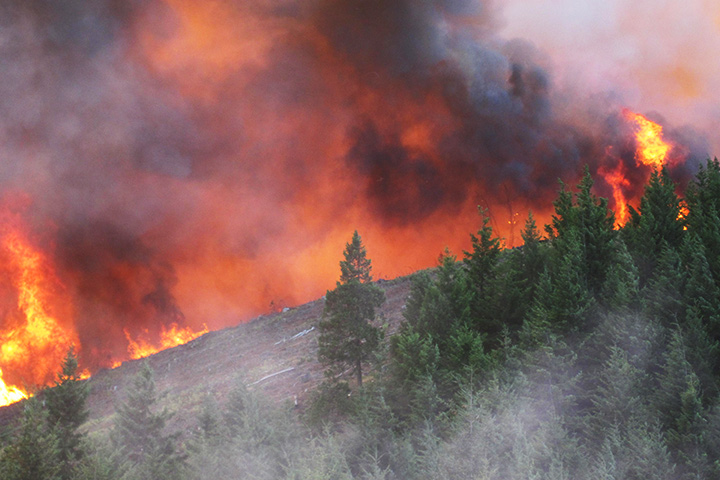
It was once a distant forecast, a line on a graph pointing to a troubled future. But for millions of Americans, the climate crisis has shed its abstract skin and arrived with violent, tangible force. It is the orange, smoke-choked sky of a California afternoon in September; the terrifying, chest-deep rush of floodwater in a Kentucky hollow; the silent, deadly grip of a heatwave over a Pacific Northwest city with no air conditioning. These are not isolated disasters anymore. They are the connected symptoms of a planet in distress, and they are catalyzing a profound national reckoning.
The United States, a nation built on fossil-fueled prosperity and a frontier spirit of conquering nature, is being forced to confront a new reality: the environment is pushing back. This reckoning is not merely about acknowledging the science, though that is a foundational battle. It is a multi-front engagement, testing the limits of our infrastructure, our economy, our social equity, and our very identity. From the halls of Congress to the kitchen tables of families rebuilding for the second time in a decade, a fundamental question is being asked: How do we live in this new world, and what must we become to survive and thrive within it?
This article explores the three primary fronts of this crisis—wildfires, floods, and heatwaves—as both physical phenomena and powerful catalysts for change. It examines the scientific evidence, the human toll, and the emerging, often painful, national conversation about adaptation, mitigation, and justice.
Part I: The Fire Age – Megafires and the Burning West
The Science of the Burn
The American West is experiencing a fire regime transformation. What were once seasonal, manageable wildfires have morphed into “megafires”—colossal, high-intensity conflagrations that create their own weather and defy traditional firefighting techniques. The primary ingredients for this new era are a direct consequence of a warming climate:
- Hotter Temperatures: Higher average temperatures bake the moisture out of soil and vegetation, turning forests and grasslands into a tinderbox. The fire season in the West is now, on average, 105 days longer than it was 50 years ago.
- Drought and Aridification: A multi-decade “megadrought,” intensified by climate change, has plagued the region. This is not merely a temporary dry spell but a long-term shift toward a more arid climate, a process known as aridification.
- The Vapor Pressure Deficit (VPD): A more technical but critical concept, VPD is essentially the “thirstiness” of the atmosphere. A higher VPD means the air can hold more water vapor, causing it to pull moisture more aggressively from plants and soil. Climate change is driving VPD upward, dramatically increasing the flammability of landscapes.
- Fuel Buildup: A century of aggressive fire suppression, while well-intentioned, has disrupted natural fire cycles. This has allowed for an unnatural buildup of dense undergrowth and “ladder fuels” that can turn a surface fire into a catastrophic canopy fire.
The result is fires that burn with unprecedented ferocity. They create massive pyrocumulonimbus clouds—”fire clouds”—that can generate lightning, start new fires, and inject smoke so high into the atmosphere that it travels across continents, affecting air quality thousands of miles away.
The Human Toll: From Paradise to Lahaina
The human cost of this new fire age is staggering. The 2018 Camp Fire that obliterated the town of Paradise, California, killing 85 people, was a horrific wake-up call. It demonstrated that entire communities could be erased in hours. More recently, the 2023 Lahaina fire on Maui was a tragic testament to the complex interplay of climate change and legacy infrastructure. Drought-parched invasive grasses, coupled with powerful, hurricane-driven winds, created a firestorm that raced through the historic town with little warning, becoming the deadliest U.S. wildfire in over a century.
Beyond the immediate loss of life and property, the collateral damage is immense:
- Public Health Crisis: Wildfire smoke is a toxic cocktail of particulate matter (PM2.5), carbon monoxide, and volatile organic compounds. It exacerbates asthma, heart disease, and has been linked to long-term cognitive issues. The hazy skies that blanketed the Eastern U.S. from Canadian wildfires in 2023 brought the health impacts of a distant crisis home to millions who had never considered themselves at risk.
- Economic Disruption: The costs are multifaceted: skyrocketing insurance premiums and non-renewals in high-risk areas; lost tourism revenue; massive state and federal firefighting budgets (often exceeding $2 billion annually); and the incalculable loss of ecosystem services from charred watersheds.
- Psychological Trauma: The constant state of alert during fire season, the “grab-and-go” bag by the door, and the trauma of evacuation and loss create a deep-seated anxiety for residents of fire-prone regions.
The Reckoning: Rethinking Our Relationship with Fire
The era of simply fighting every fire is over. The crisis is forcing a national reckoning with how we manage our landscapes and build our communities.
- Embracing Prescribed and Cultural Fire: There is a growing, science-backed movement to re-introduce “good fire.” This involves controlled, low-intensity prescribed burns, a modern application of Indigenous fire stewardship practices that have been used for millennia to clear undergrowth and maintain healthy, resilient forests.
- Hardening Communities: From updated building codes requiring fire-resistant materials to creating defensible space around properties, communities are being forced to build with fire in mind. This includes examining critical infrastructure like warning systems and evacuation routes, which failed catastrophically in Lahaina.
- The Insurance Dilemma: The private insurance market is in retreat in many Western states. This is forcing a difficult conversation about who bears the financial risk of building in harm’s way and whether state-backed insurance pools of last resort are a sustainable solution.
Part II: The Deluge – Floods in an Age of Intensified Rainfall
If the West is burning, other parts of the country are drowning under a new kind of rain. The concept of a “100-year storm” is becoming obsolete.
The Science of the Soak
A warmer atmosphere is a wetter atmosphere. For every 1°C (1.8°F) increase in temperature, the air can hold approximately 7% more water vapor. This simple physical law supercharges storm systems, leading to:
- More Intense Rainfall Events: Storms are now capable of dumping unprecedented volumes of rain in short periods. The 2022 St. Louis and Kentucky floods, for example, saw rainfall rates that statistically should occur only once every 1,000 years.
- Atmospheric Rivers: These “rivers in the sky,” long ribbons of concentrated moisture, are becoming more potent and frequent, battering the West Coast with a cycle of drought-breaking but often destructive rains, as seen in California’s record-breaking winter of 2022-2023.
- Compound Events: Climate change is creating dangerous combinations. A prime example is a “rain-on-snow” event, where a warm atmospheric river falls on a deep snowpack, rapidly melting it and creating a devastating dual flood from both rain and meltwater.
The Human Toll: From Urban Basements to Mountain Hollows
Flooding is the most common and costliest natural disaster in the United States. Its impact is brutally democratic, affecting both coastal mansions and inland trailer parks, though not equally.
- The Failure of Legacy Systems: Much of the nation’s stormwater and sewer infrastructure was built for a climate that no longer exists. These systems are simply overwhelmed by the volume of water, leading to catastrophic urban flooding, as witnessed in New York City during Hurricane Ida, where people drowned in basement apartments.
- Inland Flooding and Topography: Mountainous regions, like the Appalachians, are particularly vulnerable. Narrow valleys and hollows can act as funnels, concentrating flash flood waters into terrifying walls of debris and water, with little time for warning or escape.
- The Social Equity Divide: Flood disasters disproportionately impact the poor, the elderly, and communities of color. These populations often live in the most vulnerable areas, such as low-lying neighborhoods or near industrial zones, have fewer resources to prepare or recover, and are more likely to be renters without flood insurance.
The Reckoning: Mapping the Unmappable and Managed Retreat
The flood crisis is forcing a painful re-evaluation of our relationship with water and our sense of place.
- Outdated FEMA Maps: The Federal Emergency Management Agency’s (FEMA) flood maps, which dictate insurance requirements and building regulations, are notoriously outdated. They are based on historical data, not future climate projections, and often fail to account for rainfall-driven flooding far from any defined floodplain. There is a growing push for dynamic, climate-informed flood modeling.
- The Concept of “Managed Retreat”: This is one of the most contentious and emotionally charged aspects of the reckoning. It involves the strategic, planned relocation of people, assets, and infrastructure away from high-risk areas. While immensely difficult, communities from Louisiana’s coast to river towns in the Midwest are beginning to explore this once-unthinkable option as repeated, costly rebuilds become untenable.
- Green Infrastructure and Sponge Cities: Instead of just building higher levees (a strategy known as “gray infrastructure”), cities are investing in “green infrastructure.” This includes creating parks that can double as floodwater retention basins, restoring wetlands and marshes as natural buffers, and using permeable pavements to allow water to soak into the ground, effectively turning urban areas into “sponges.”
Read more: Walking Through Time: The Untold History of [Your City’s] Most Historic Neighborhood
Part III: The Silent Killer – Extreme Heat and the Urban Furnace
While fires and floods are dramatic and telegenic, extreme heat is the deadliest of all climate-fueled disasters. It kills more people in the United States annually than hurricanes, tornadoes, and floods combined, yet its toll is often silent and invisible.
The Science of the Swelter
Heatwaves are becoming more frequent, more intense, and longer-lasting due to climate change.
- Heat Domes: These are high-pressure systems that act like a lid on a pot, trapping hot air for days or weeks. The 2021 Pacific Northwest heat dome, a event so extreme it was considered “virtually impossible” without climate change, shattered temperature records and caused hundreds of deaths in a region utterly unprepared for such conditions.
- The Urban Heat Island Effect: Cities are significantly hotter than their rural surroundings due to the prevalence of asphalt, concrete, and dark roofs that absorb and re-radiate heat, combined with a lack of vegetation. This can create a temperature differential of up to 10-15°F, turning cities into dangerous furnaces at night, offering no respite.
- Humidity and the Wet-Bulb Threshold: Dangerous heat is not just about temperature; it’s about humidity. The human body cools itself by sweating. When humidity is too high, sweat cannot evaporate. Scientists have identified a critical “wet-bulb temperature” of 35°C (95°F)—a point at which a healthy person cannot survive for more than a few hours outdoors. Parts of the Gulf Coast are already approaching this threshold.
The Human Toll: An Unequal Burden
The impacts of extreme heat are a stark lesson in societal vulnerability.
- Vulnerable Populations: Outdoor workers (farm laborers, construction workers), the elderly, young children, and those with pre-existing health conditions are at extreme risk. So are those without access to air conditioning, a lifeline that is both a necessity and a contributor to the energy demand that fuels the crisis.
- Economic and Infrastructure Stress: Extreme heat buckles railroad tracks, melts airport tarmacs, and strains the electrical grid to the breaking point as everyone turns on their AC simultaneously. It also reduces labor productivity and impacts agriculture.
- A Public Health Emergency: Heat exacerbates kidney disease, cardiovascular issues, and mental health problems. Emergency rooms see a surge in heat-related illnesses during prolonged heatwaves.
The Reckoning: Cooling Our Cities and Protecting the Vulnerable
The heat crisis demands a re-imagining of urban design and the creation of a new social safety net for a hotter world.
- Urban Forestry and Cool Materials: Cities are launching ambitious tree-planting initiatives to increase shade and provide cooling through evapotranspiration. There is also a push for “cool” or reflective roofs and pavements that absorb less heat.
- The Right to Cool: The concept of cooling as a human right is gaining traction. This is leading to policies such as mandating air conditioning in rental units, establishing public cooling centers, and implementing heat safety standards for outdoor workers.
- Heat Action Plans and Early Warning: Like with hurricanes, cities and states are developing comprehensive heat action plans. These include public awareness campaigns, targeted check-ins on vulnerable residents, and improved early warning systems that communicate risk in clear, actionable terms.
Conclusion: The Unavoidable Reckoning and the Path Forward
The converging crises of wildfires, floods, and heatwaves are not a future threat. They are the present reality of a nation in the grips of a climate emergency. This reckoning is uncomfortable, expensive, and fraught with difficult choices. It challenges our assumptions about where and how we live, the resilience of our infrastructure, and the fairness of our society.
Yet, within this crisis lies a seed of opportunity. The reckoning is forcing a long-overdue conversation about:
- Systemic Adaptation: Moving beyond piecemeal responses to a holistic, national strategy for building resilience.
- Climate Justice: Ensuring that the burdens of the crisis and the benefits of solutions are shared equitably, centering the needs of the most vulnerable.
- Accelerated Mitigation: While adaptation is now essential, the reckoning underscores the urgent, non-negotiable need to drastically and rapidly reduce greenhouse gas emissions. Every fraction of a degree of warming avoided lessens the future intensity of these disasters.
The American spirit has often been defined by its response to great challenges. The climate crisis is the ultimate test of that spirit. It demands a move away from short-term thinking and political division toward a collective, pragmatic, and determined effort to safeguard our people, our economy, and our land. The fires, floods, and heatwaves have delivered their verdict. The question now is whether we have the wisdom and the courage to heed it.
Read more: Your Weekend Local: 5 Can’t-Miss Community Events Happening Near You
Frequently Asked Questions (FAQ)
Q1: I keep hearing that there have always been wildfires, floods, and heatwaves. How can we be sure this is caused by climate change and not just natural cycles?
This is a critical question. Climate scientists use a methodology called “attribution science” to answer it. By running complex climate models with and without the influence of human-emitted greenhouse gases, they can quantify how much more likely or intense a specific event has become. For example, the 2021 Pacific Northwest heatwave was found to be 150 times more likely because of human-caused climate change. While natural variability still plays a role, climate change is loading the dice, making extreme events far more frequent and severe.
Q2: What is the single most important thing I can do to personally prepare for these climate impacts?
Preparation is multi-layered, but a good starting point is knowledge and a plan.
- Know Your Risk: Use tools like the FEMA Flood Map Service Center and local wildfire risk portals to understand the specific threats to your home.
- Make an Emergency Plan: Have a family communication and evacuation plan. Practice it. Know multiple evacuation routes.
- Build a Kit: Assemble a “go-bag” with essentials like water, non-perishable food, medications, important documents, a flashlight, and a battery-powered radio for at least 72 hours.
- Stay Informed: Sign up for local emergency alerts and have multiple ways to receive warnings.
Q3: I don’t live near a forest, a coast, or a river. Am I really at risk?
Yes, in multiple ways. While you may not be at direct risk from a wildfire or storm surge, the interconnected nature of our society means no one is immune.
- Extreme Heat: This affects virtually every part of the country.
- Supply Chain Disruption: Wildfires, floods, and heat can damage transportation networks, disrupt agriculture, and delay shipments, affecting the availability and cost of goods nationwide.
- Economic Impact: Disaster recovery costs are borne by federal taxpayers. Insurance premiums are rising across the country as insurers pay out massive claims.
- Public Health: Wildfire smoke, as seen from Canada, can degrade air quality over continents.
Q4: I’m concerned, but I feel powerless. What can I do to be part of the solution beyond just preparing?
Individual actions, while important, must be coupled with systemic advocacy to achieve the scale of change required.
- Get Involved Locally: Attend city council meetings and support policies that promote climate resilience, such as updating building codes, investing in green infrastructure, and creating robust heat action plans.
- Advocate for Larger Change: Engage with elected officials at all levels to support ambitious climate mitigation (reducing emissions) and adaptation policies.
- Community Mutual Aid: Check on vulnerable neighbors during heatwaves or other disasters. Building strong, connected communities is one of the most effective forms of resilience.
Q5: What is “climate justice” and why is it so central to this discussion?
Climate justice is the principle that the burdens of climate change and the benefits of climate solutions should be distributed fairly. Historically marginalized communities—often low-income and communities of color—have contributed the least to the problem but are disproportionately:
- Exposed to hazards (e.g., living in floodplains or near polluting industries).
- More vulnerable due to less resources, poorer health, and less political power.
- Have a harder time recovering after a disaster.
A just response to the climate crisis actively works to rectify these inequities, ensuring that resilience-building investments and policies prioritize these frontline communities.
Q6: Is it too late to do anything? I hear a lot of doom and gloom.
While the impacts we are seeing now are largely locked in due to past emissions, it is definitively not too late to prevent the worst-case scenarios. The climate system responds directly to the concentration of greenhouse gases. Every action taken to reduce emissions lowers the level of future warming and, consequently, the intensity of future disasters. The future is not a binary choice between “perfect” and “apocalypse.” It is a spectrum. Our goal must be to fight for every fraction of a degree, as each one represents a world of difference in terms of human suffering, ecological loss, and economic cost. The time for action is now, and it requires both fierce urgency and stubborn hope.