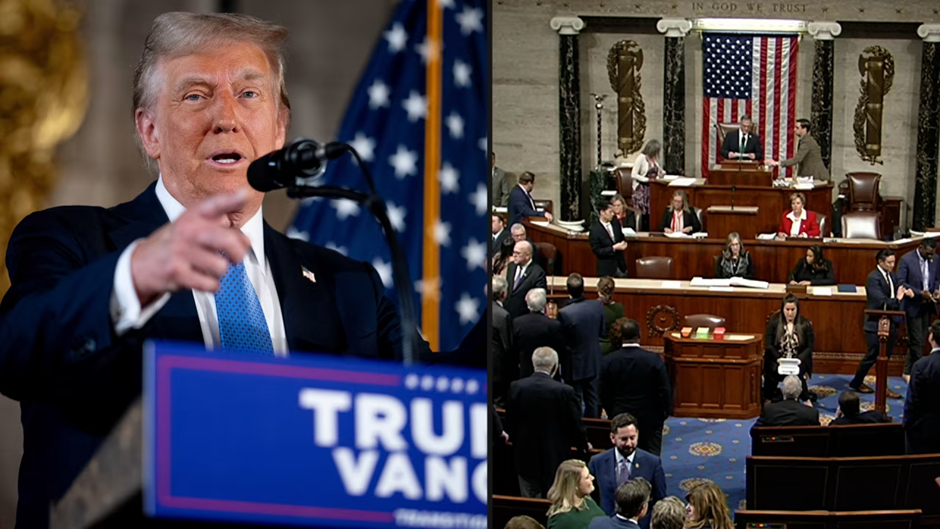
The prolonged 2025 federal government shutdown, combined with escalating scandals surrounding Donald Trump, may mark a turning point in his presidency. With declining approval ratings, economic damage, and political controversies mounting, this period could represent a “tipping point” that reshapes his power, influence, and legacy — unless swift action intervenes.
The 2025 Government Shutdown: A Snapshot
In late 2025, the United States faced its longest federal government shutdown in history, lasting 43 days. A standoff over federal funding, healthcare subsidies, and political leverage left hundreds of thousands of federal employees furloughed and disrupted vital services. (Economic Times)
Economists estimate that the shutdown shaved off 1–2% of GDP growth in the fourth quarter, with financial losses exceeding $7 billion after just one month. (Times of India)
The shutdown’s resolution coincided with renewed scandals involving Trump’s past associations and controversial policy decisions. This convergence of operational breakdown and ethical scrutiny has raised questions about leadership, accountability, and institutional trust. (The Debrief)
Why This Moment Could Be a Tipping Point
1. Declining Approval Ratings and Political Capital
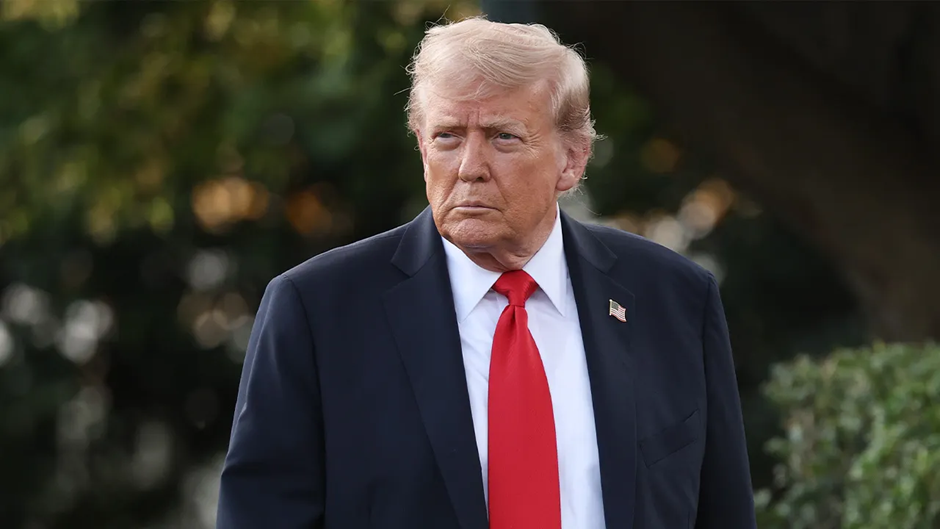
Public support for Trump has significantly dropped post-shutdown. Analysts such as Nate Silver warn that this unpopularity may persist, weakening his ability to drive policy and maintain political influence. (Newsweek)
2. Institutional Strain and Governance Fatigue
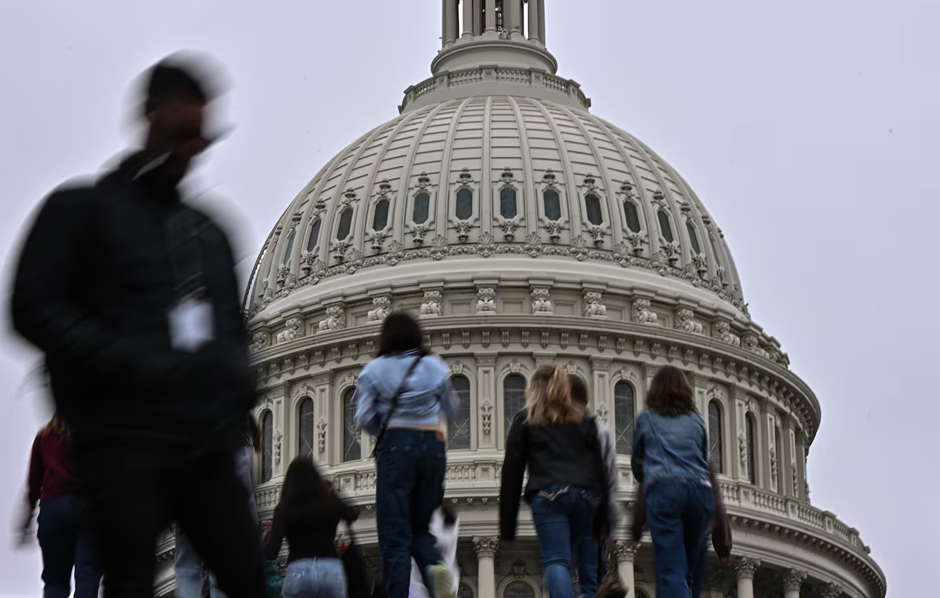
The shutdown exposed vulnerabilities within federal institutions. Agencies like the FAA faced delays, and essential public services were disrupted, creating a sense of system failure among Americans. (Hindustan Times)
3. Scandal Compounding Operational Crises
The resurfacing of controversial associations and decision-making missteps created a double-shock effect: both operational dysfunction and ethical concerns. This combination intensifies public scrutiny and challenges leadership credibility. (The Debrief)
4. Strategic Vulnerability Ahead of Elections
With midterms and future presidential bids approaching, the convergence of shutdown fallout and scandal amplifies risk for Trump and his allies. Reduced policy momentum and public discontent could mark a structural weakening of his era of dominance.
Real-Life Examples Reflecting Broader Trends
● Federal Air Traffic and Public Services: FAA delays during the shutdown caused cascading impacts on travel and safety operations. (The Debrief)
● Economic Drag on Small Businesses: $12 billion in small business contracts were at risk, demonstrating tangible economic consequences. (Times of India)
● Public Opinion Shift: Over 63% of Americans blamed Trump or Republicans for the shutdown. (Wikipedia)
These examples highlight how political strategies translate into real-life consequences for citizens and how such outcomes feed back into public perception.
Trending Questions Americans Are Asking
Q1: Why did the 2025 government shutdown last so long?
The shutdown stemmed from conflicting demands: Republicans wanted temporary funding; Democrats insisted on extending healthcare subsidies. (Vox)
Q2: How much did the shutdown cost the economy?
The first month alone caused $7 billion in losses, with potential cumulative damage exceeding $14 billion if extended further. (Times of India)
Q3: Is Trump’s declining approval rating permanent?
Polls suggest the slump may be sustained, reducing political leverage heading into elections. (Newsweek)
Q4: What scandal is compounding the issue?
Recent documents highlighting Trump’s associations with controversial figures, such as Epstein, have intensified media scrutiny. (The Debrief)
Q5: Does this mean Trump’s presidency is in a “lame-duck” phase?
Not yet, but diminished influence and increased scrutiny signal the start of a more vulnerable period.
Q6: What is Congress doing in response?
Congress is pursuing oversight hearings and investigations. Some moderate senators broke party lines to resolve the shutdown, revealing internal fractures. (The Guardian)
Q7: What should American voters pay attention to now?
● Polling data across demographics
● Midterm and 2026 candidate performance
● White House policy momentum
● Oversight actions linked to scandal
Q8: What could reverse this tipping-point trajectory?
● Strong policy achievements
● Rapid rebound in approval ratings
● Credible narrative of renewal rather than defense
Q9: How are federal employees and citizens impacted?
Thousands of federal workers faced income loss, while citizens experienced delays in essential services. (Economic Times)
Q10: Could this shift benefit the Democratic Party?
Yes, if Democrats capitalize on public discontent and position themselves as credible alternatives. (Washington Post)
Key Takeaways and Practical Advice
● For Citizens: Monitor approval ratings, service disruptions, and midterm candidate performance.
● For Voters: Ask candidates how they plan to stabilize government operations.
● For Analysts/Activists: Focus on how scandal and structural breakdown interact — both shape tipping points.
● For the Administration: Urgent action is required to regain momentum and public confidence.
Why This Moment Is Critical for Trump’s Legacy
The Trump era, marked by disruption and populism, now faces leadership fatigue. System failures and ethical scandals intersect, testing the legitimacy of authority. Poor management of this tipping point could redefine Trump’s era in history — not just for what occurred, but for what was allowed to happen.