
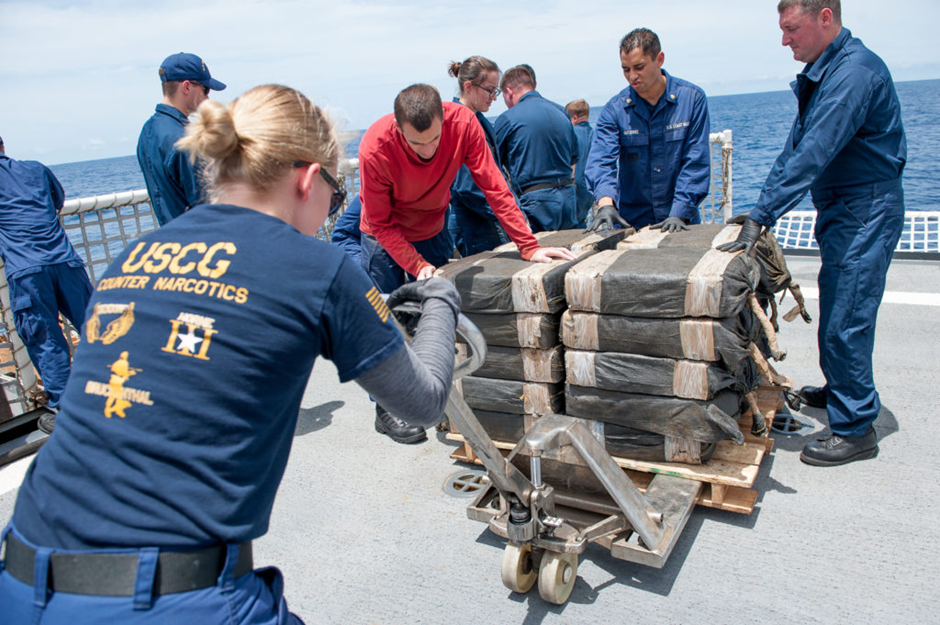
Operation Southern Spear, launched in November 2025, is a sweeping U.S. military initiative targeting drug cartels and “narco-terrorists” in the Caribbean and Eastern Pacific. Using hybrid fleets of traditional vessels, drones, and robotic systems, the mission is designed to interdict drug trafficking. Critics question its legality, transparency, and true motives, warning it could escalate geopolitical tensions and blur the line between law enforcement and war.
What Is Operation Southern Spear?
On November 13, 2025, U.S. Secretary of Defense Pete Hegseth announced Operation Southern Spear, a military-driven effort to dismantle drug-trafficking networks across the Western Hemisphere. (Al Jazeera)
Led by a newly formed Joint Task Force Southern Spear under U.S. Southern Command (SOUTHCOM), the operation covers 31 countries in the Caribbean, Central America, and South America. Its stated objectives include:
- Defending the U.S. homeland from drug inflows.
- Removing “narco-terrorists” from the hemisphere.
- Securing America from narcotics killing thousands annually.
Unlike prior operations, Southern Spear utilizes a hybrid fleet combining traditional naval vessels with autonomous drones and robotic sea systems, signaling a technologically advanced approach to drug interdiction. (SCMP)
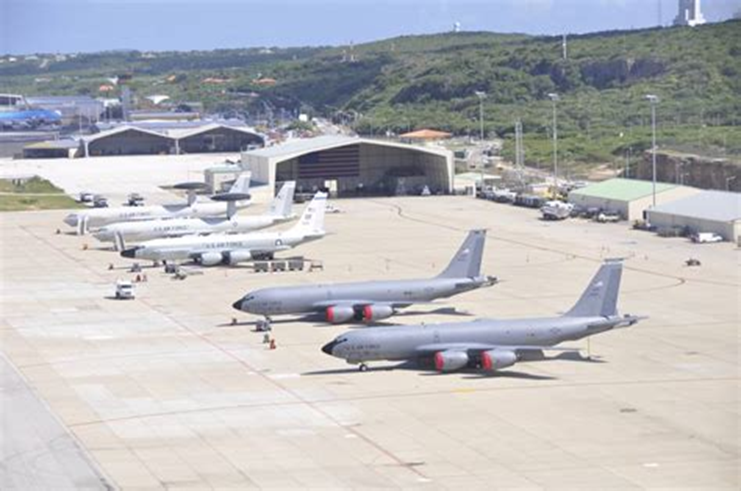
Why Is Operation Southern Spear Controversial?
This is not a conventional anti-drug patrol. Its scale, technology, and lethality have raised significant concerns:
● Multiple Strikes: Since September 2025, U.S. forces have conducted strikes on suspected drug-smuggling vessels, reportedly resulting in 80+ deaths. (Reuters)
● International Law Questions: Many strikes occur in international waters, sparking debate about legality and sovereignty. (Al Jazeera)
● “Narco-Terrorist” Labeling: Framing cartels as terrorists allows military force, bypassing traditional law enforcement protocols. (Wikipedia)
● Geopolitical Tension: Critics argue the operation could be a strategic maneuver against countries like Venezuela rather than purely anti-drug enforcement. (El País)
Historical Context: U.S. Anti-Drug Operations in Latin America
The U.S. has a long history of military and law enforcement operations in the hemisphere:
● Operation Martillo (2012-Present): Multinational patrols by SOUTHCOM targeting drugs in the Caribbean and Central America. (Wikipedia)
● Operation Tiburon (1980s): U.S.-Colombia joint effort to interdict maritime marijuana trafficking. (Wikipedia)
Southern Spear is distinct due to its autonomous systems, lethal strikes in international waters, and “narco-terrorist” framing.
Real-World Examples of Southern Spear in Action
- Naval Deployment: The USS Gerald R. Ford, the largest U.S. aircraft carrier, has entered the SOUTHCOM area, demonstrating serious operational commitment. (El País)
- Lethal Strikes:
○ In October 2025, strikes on four vessels in the eastern Pacific resulted in 14 fatalities. (AP News)
○ A November strike killed three individuals, highlighting ongoing lethal operations. (Reuters)
- Regional Response:
○ Venezuela has condemned the strikes as threats to sovereignty. (Al Jazeera)
○ Analysts question whether large carriers are effective for anti-drug operations, suggesting other strategic motives.
Key Concerns About Operation Southern Spear
- Legality & International Law: Striking vessels in international waters raises questions about adherence to legal norms.
- Transparency: Limited public information means Congressional oversight may be bypassed.
- Collateral Damage: Risk of civilian casualties remains a major concern.
- Regional Destabilization: Operations may increase tensions, especially with Venezuela.
- Mission Creep: The operation could evolve beyond drug interdiction into broader geopolitical interventions.
Trending FAQs About Operation Southern Spear
1. Is Operation Southern Spear legal under international law?
It’s controversial. The U.S. frames this as a non-international armed conflict, but legal scholars debate whether targeting drug traffickers warrants lethal force in international waters.
2. Why are cartels called “narco-terrorists”?
This label allows military action instead of traditional law enforcement. It reframes trafficking as a national security threat.
3. Will this hurt U.S.-Latin America relations?
Yes. Venezuela and other nations view it as overreach and a potential threat to sovereignty.
4. Does Southern Spear reduce drug flow into the U.S.?
Results are unclear. Drug networks are adaptive, and no independent data confirms a significant reduction yet.
5. Are there safeguards to prevent civilian casualties?
Public information is limited. Critics urge transparent intelligence, oversight, and strict rules of engagement.
6. Could this lead to a war with Venezuela?
Naval deployments raise concern, but the U.S. publicly frames this as drug interdiction, not a military confrontation.
7. How is technology used?
Drones and robotic vessels are central for surveillance and interdiction, reducing direct U.S. personnel risk but raising ethical issues.
8. Is Congress overseeing this operation?
Oversight appears minimal. Some argue this circumvents checks on executive power regarding military action.
9. What is the domestic reaction in the U.S.?
Supporters see decisive action against drugs. Opponents raise concerns about extrajudicial killings and potential escalation.
10. Where can I follow reliable updates?
Trusted sources include Al Jazeera, The Guardian, El País, and defense-specific media. NGOs provide independent civilian-impact monitoring.
Implications for the U.S. and the Hemisphere
● Drug Policy: May limit maritime trafficking temporarily but won’t solve domestic demand.
● Budget & Resources: Heavy military spending may divert funds from law enforcement or domestic programs.
● Long-term Risk: Mission creep could involve the U.S. in broader geopolitical conflict.
● Regional Security: Some Latin American nations may resist U.S. military presence.
● Terrorism Framing: Sets precedent for lethal action against non-state actors globally.
Key Takeaways
- Demand Transparency: Push for disclosure on legal justifications and rules of engagement.
- Support Independent Monitoring: NGOs can ensure civilian lives are protected.
- Engage in Policy Dialogue: Debate whether military force or prevention and treatment are more effective.
- Track Tech Ethics: Autonomous systems require strict ethical oversight.
- Stay Informed: Follow credible news outlets and scrutinize official statements.
Conclusion
Operation Southern Spear marks a paradigm shift in U.S. anti-drug strategy, moving from law enforcement to military operations in international waters. While it may achieve short-term tactical success, it risks legal, ethical, and geopolitical complications. Americans and their neighbors should monitor closely, question transparency, and weigh the human and regional costs of such a bold initiative.