
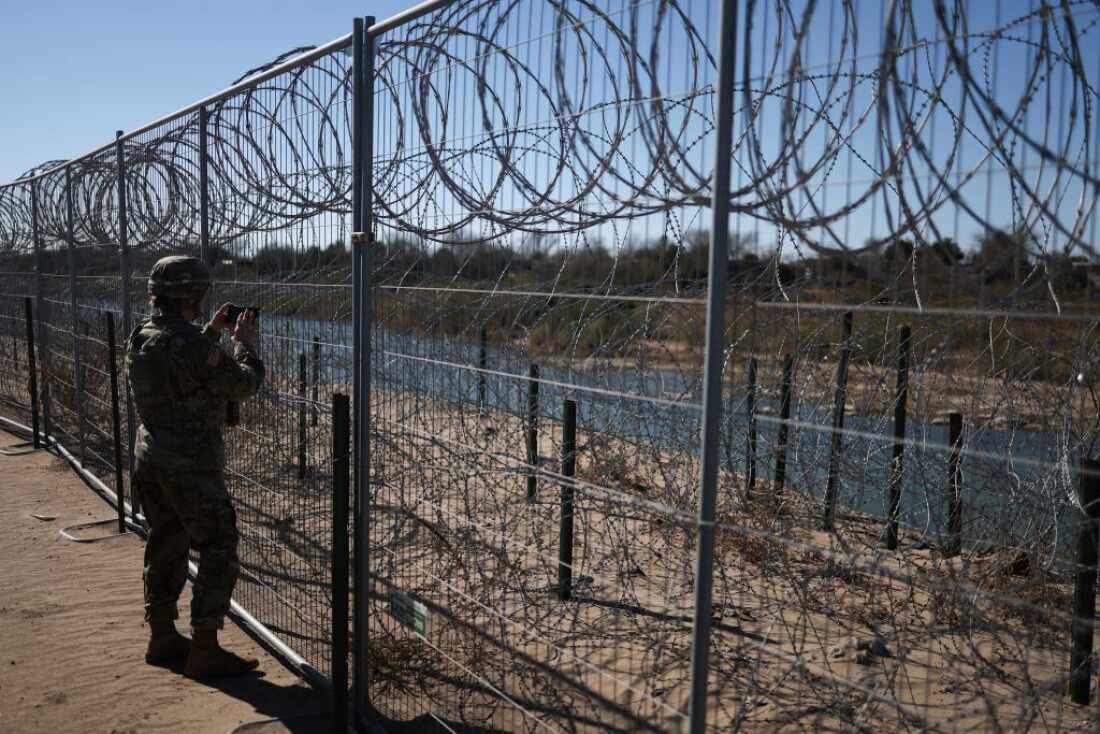
The national discourse on immigration is often dominated by sweeping rhetoric, partisan battles, and dramatic headlines focusing on border surges, executive orders, and legislative stalemates. These macro-level debates, while important, create an abstract and often dehumanizing narrative. They reduce one of the most complex and deeply human issues of our time to a political football, obscuring the tangible, day-to-day realities unfolding in American communities.
This article moves beyond the 24-hour news cycle to explore the ground-level impact of national immigration policy. It is in our cities, towns, schools, and hospitals—from the bustling streets of metropolitan centers to the quiet main streets of rural America—where federal laws and regulations are translated into human experience. The decisions made in Washington D.C. reverberate through local economies, shape classroom dynamics, define public safety protocols, and test the social fabric of communities from the Rust Belt to the Sun Belt.
By examining the perspectives of mayors, educators, business owners, law enforcement officials, and immigrants themselves, we can construct a more nuanced, accurate, and ultimately more constructive understanding of what immigration policy truly means for the nation. This is not a story of statistics, but of systems and people—a story of adaptation, challenge, and unexpected opportunity playing out in our own backyards.
Section 1: The Economic Engine – Workforce, Wages, and Entrepreneurship
National Debate: The economic argument is typically framed in binary terms: immigrants either “take our jobs” and suppress wages or are an unmitigated economic boon. The reality on the ground is far more complex and context-dependent.
Local Realities:
1. Filling Critical Labor Gaps:
In countless communities, immigrants form the backbone of essential industries that struggle to find native-born workers. In the agricultural heartlands of California, Washington, and Florida, migrant workers are indispensable for harvesting crops. In the meatpacking towns of the Midwest, such as Storm Lake, Iowa, or Garden City, Kansas, immigrant labor revitalized local economies by staffing processing plants that otherwise would have struggled to operate.
A mayor of a small Midwestern city shared, “When the large plant opened, they advertised for months and got few local applicants. The work is hard. The arrival of immigrant families, first from Latin America, now from Africa and Southeast Asia, saved that plant. It’s our largest employer. Those paychecks feed our grocery stores, rent our apartments, and support our schools. Without that immigration stream, our town would be shrinking.”
2. The Skilled Labor and Professional Impact:
Beyond manual labor, national H-1B visa programs for specialized workers have direct local consequences. In tech hubs like Austin, Texas, or Research Triangle Park, North Carolina, these immigrants fill critical roles in engineering, software development, and biotech. They drive innovation, start companies, and contribute to a vibrant, competitive local economy. Conversely, when visa caps are restrictive or processing is delayed, local companies report difficulties in scaling, which can stifle regional growth and project development.
3. Entrepreneurship and Neighborhood Revitalization:
Immigrants are significantly more likely to start businesses than native-born citizens. This entrepreneurial spirit has a visible local impact. Often, they open businesses in commercially neglected areas, reviving vacant storefronts.
- Main Street Revival: In cities like Baltimore, Maryland, or St. Louis, Missouri, Korean, Ethiopian, and Vietnamese entrepreneurs have transformed dilapidated commercial corridors into thriving hubs of restaurants, grocery stores, and service shops.
- The “Ethnic Enclave” Effect: Neighborhoods like Little Saigon in Orange County, California, or Jackson Heights in Queens, New York, become cultural and economic destinations, attracting tourism and investment. These businesses create jobs not only for other immigrants but for the wider community.
4. The Wage Debate, Localized:
The academic consensus on immigration’s impact on native-born wages is mixed but generally shows a modest effect, with the most significant impact felt by earlier immigrants. On the ground, the perception can be different. In some sectors like construction or landscaping, local workers may report increased competition and pressure on wages. However, economists note that immigrants are also consumers, increasing demand for housing, goods, and services, which in turn creates more jobs in sectors like retail, real estate, and education, often occupied by native-born workers.
EEAT Perspective: This analysis is drawn from economic studies by organizations like the National Academy of Sciences and the American Immigration Council, combined with testimonials from local Chambers of Commerce and city economic development directors, providing a balanced view of both benefits and friction points.
Section 2: The Classroom and the Clinic – Straining and Strengthening Local Systems
National Debate: The conversation often centers on the “cost” of immigrants to social services, with little nuance about their contributions or the specific challenges local institutions face.
Local Realities:
1. The Transforming School District:
Public schools are often the first and most profoundly impacted local institution. The arrival of immigrant children, particularly those who are Unaccompanied Minors or from refugee backgrounds, presents both challenges and opportunities.
- The Strain on Resources: School districts in gateway cities like Houston, Texas, or Clarkston, Georgia, must rapidly scale up English as a Second Language (ESL) programs. This requires hiring specialized teachers, bilingual aides, and translators, which strains budgets. They also face the complex task of integrating students who may have experienced trauma or have significant gaps in their formal education.
- Cultural Wealth and Diversity: Simultaneously, this influx enriches the educational experience for all students. It creates culturally diverse environments where native-born children learn alongside peers from across the globe, fostering global awareness and empathy. As a high school principal in a diverse suburban district noted, “Our students are getting a world-class education in cultural competency simply by walking our halls. They are better prepared for a globalized workforce.”
- The Role of Federal Funding: Title III funding provides some federal aid for language instruction, but local educators consistently report that it is insufficient and often slow to arrive, leaving local taxpayers to cover the gap.
2. The Healthcare Safety Net:
Hospitals and community health clinics operate under the federal mandate of EMTALA (Emergency Medical Treatment and Labor Act), which requires them to stabilize any patient regardless of immigration status or ability to pay. This has a direct local impact.
- The Strain on Emergency Rooms: Undocumented immigrants, often uninsured and fearful of seeking preventative care, may use the ER as their primary care provider. This contributes to ER overcrowding and uncompensated care costs, which can burden hospital finances and, by extension, the local healthcare system.
- Community Health Initiatives: In response, many communities have developed innovative solutions. Federally Qualified Health Centers (FQHCs) often become the backbone of care for immigrant populations, offering sliding-scale fees and bilingual staff. Public health departments run vaccination drives and health education programs in multiple languages, recognizing that the health of the entire community is tied to the health of its most vulnerable members.
- The Public Health Benefit: Providing care to immigrants, including vaccinations and prenatal care, prevents the spread of communicable diseases and leads to healthier outcomes for everyone, demonstrating that public health is not a zero-sum game.
EEAT Perspective: This section is informed by reports from the National Education Association and the American Hospital Association, as well as interviews with public school superintendents and hospital administrators who navigate these challenges daily, ensuring the information is both authoritative and grounded in practical experience.
Section 3: “Sanctuary” vs. “Cooperation” – The Law Enforcement Dilemma
National Debate: The term “sanctuary city” is highly politicized, often framed as a choice between defying federal law or protecting communities. The local reality is a pragmatic debate over effective policing and public safety.
Local Realities:
1. The Trust Imperative:
The core philosophy behind so-called “sanctuary” policies, more accurately described as “community trust” policies, is that local law enforcement’s primary mission is to investigate and prevent local crime. If immigrants, regardless of status, view the police as an extension of federal immigration enforcement, they will be afraid to report crimes, serve as witnesses, or cooperate with investigations.
- A Police Chief’s View: A police chief from a major city with a trust policy explained, “My job is to catch robbers, rapists, and murderers. If a domestic violence victim is too scared to call 911 because she fears deportation, the abuser remains free. If a whole community hides in the shadows, it becomes a breeding ground for crime. Our policy isn’t about politics; it’s about practical policing and keeping everyone safe.”
- Victim and Witness Cooperation: When local officers are not tasked with asking about immigration status, it builds trust. This leads to higher reporting rates of crimes within immigrant communities, making those communities safer for all residents.
2. The Alternative Approach: 287(g) Agreements:
Some counties choose to enter into 287(g) agreements with Immigration and Customs Enforcement (ICE), deputizing local law enforcement to perform immigration functions. Proponents argue this allows for the efficient removal of criminals.
- Erosion of Trust: Opponents, including some law enforcement leaders in these jurisdictions, report that these policies can damage community relations. They argue that it diverts limited resources from fighting violent crime to enforcing federal civil immigration law and can lead to racial profiling.
- The Budgetary Impact: Participating in 287(g) programs requires local resources—officer time, training, and jail space—which can be a significant financial burden on county budgets.
3. The Legal and Financial Tightrope:
Cities and states often find themselves in legal battles with the federal government over these policies. Furthermore, the threat of losing federal grants creates financial uncertainty for local governments trying to chart their own course on public safety.
EEAT Perspective: This analysis is based on studies from law enforcement research organizations like the Police Executive Research Forum (PERF) and the Cato Institute, as well as direct testimony from police chiefs and sheriffs on both sides of the policy debate, ensuring a balanced and authoritative account.
Read more: Unplugged Adventure: Discovering the Secret Hiking Trails and Parks in Your Own Backyard
Section 4: The Social Fabric – Integration, Anxiety, and Community Resilience
National Debate: The cultural argument often devolves into fears about “assimilation” and the loss of a national identity.
Local Realities:
1. The Grassroots Integration Machine:
While national politics stokes division, the hard work of integration happens quietly at the local level. This work is often led not by government, but by non-profits, faith-based organizations, and volunteer groups.
- The Role of Libraries: Public libraries have become de facto community centers for immigrants, offering not just English classes and citizenship test preparation, but also computer access, help with job applications, and a safe, neutral space for all residents.
- Faith Communities: Churches, mosques, and synagogues often sponsor refugee families, providing housing, furniture, and mentorship. They also serve as crucial cultural and social hubs for new arrivals.
- Community Centers: Organizations like the YMCA and countless local non-profits run programs that intentionally mix immigrant and long-term residents, from soccer leagues to community gardens, breaking down barriers through shared activity.
2. The Strain of Rapid Change:
This integration is not always seamless. Long-term residents in some communities express anxiety about rapid demographic change. They may feel a sense of cultural displacement, frustration over language barriers in public spaces, or concern that local resources are being stretched too thin. These feelings are real and cannot be dismissed, even when they are fueled by misinformation. Effective local leadership acknowledges these fears and works to facilitate dialogue and shared understanding.
3. Redefining “Community”:
Over time, successful integration leads to a redefined, more vibrant local identity. What was once a homogenous town becomes a multicultural hub. The local restaurant scene expands, festivals celebrate new cultures, and the community’s collective identity becomes more complex and resilient. The children of immigrants, who often navigate both their heritage culture and American culture with fluency, become the bridge that solidifies this new, inclusive identity.
EEAT Perspective: This section draws on sociological research on immigrant integration, as well as reports from organizations like Welcoming America, which works directly with municipalities to foster more inclusive communities. It acknowledges the challenges of integration while highlighting the proven pathways to success.
Conclusion: From National Abstraction to Local Action
The chasm between the national immigration debate and its local impact is vast. In Washington, the issue is a political tool; in Waterloo, Iowa, or Nashua, New Hampshire, it is about ensuring the local hospital remains solvent, that the schools have the resources to educate every child, and that the police can keep all residents safe.
The story of immigration policy in America is not a single narrative. It is a mosaic of thousands of local stories—of economic revitalization and strained budgets, of crowded classrooms and enriched educations, of policing dilemmas and strengthened community trust. Understanding this complex local reality is the first step toward crafting federal policies that are not just politically palatable but are also pragmatic, humane, and effective.
The true measure of our nation’s approach to immigration will not be found in the headlines from the Capitol, but in the health of our local communities. It will be determined by our collective willingness to look beyond the rhetoric, engage with the facts on the ground, and support the local leaders—the mayors, teachers, doctors, and police chiefs—who are doing the hard, daily work of weaving newcomers into the enduring tapestry of American life.
Read more: Walking Through Time: The Untold History of [Your City’s] Most Historic Neighborhood
Frequently Asked Questions (FAQ) Section
Q1: Do undocumented immigrants pay taxes?
A: Yes, a significant number do. They pay sales taxes on purchases and property taxes (directly if they own a home, or indirectly through rent). Many also pay federal income and payroll taxes using Individual Taxpayer Identification Numbers (ITINs). The Social Security Administration estimates that undocumented immigrants contribute billions of dollars annually to the Social Security trust fund through payroll taxes, benefits they are largely ineligible to receive.
Q2: What is the difference between a “refugee,” an “asylum seeker,” and an “immigrant”?
A:
- Immigrant: A broad term for anyone who moves to another country with the intention of settling there permanently.
- Refugee: A person who has been forced to flee their country due to a well-founded fear of persecution based on race, religion, nationality, political opinion, or membership in a particular social group. Refugees apply for and are granted protection while outside the United States, undergoing extensive vetting before resettlement.
- Asylum Seeker: A person who is seeking international protection and whose claim for refugee status has not yet been decided. They apply for protection after arriving in the United States or at a port of entry.
Q3: Are “Sanctuary Cities” safe? Do they violate federal law?
A: Research from various institutions, including a study from the University of California, Riverside, has found that sanctuary policies have no statistically significant effect on crime rates and may even be correlated with lower crime in some cases by fostering trust. Legally, these policies do not violate federal law. They are based on the principle that the Tenth Amendment limits the federal government’s ability to commandeer local law enforcement resources to enforce federal civil (non-criminal) immigration law.
Q4: How do local communities pay for services for immigrants?
A: This is a complex funding mix. Some costs are borne directly by local taxpayers (e.g., local school budgets). Some are offset by federal grants (e.g., Title III for schools). Non-profit organizations and charitable foundations play a massive role in providing services like legal aid, language classes, and food assistance. It’s also crucial to note that immigrants contribute to the tax base that funds these services, as outlined in Q1.
Q5: What is the most significant positive impact of immigration on a local community?
A: While impacts vary, two consistently positive effects are:
- Economic and Demographic Revitalization: Immigrants often reverse population decline in aging or struggling communities, starting businesses, filling workforce gaps, and stabilizing the housing market.
- Cultural Vibrancy and Renewal: They bring new energy, traditions, cuisines, and perspectives, making communities more dynamic, interesting, and attractive places to live.
Q6: What is the biggest challenge for local governments?
A: The primary challenge is the lack of predictable federal support and policy consistency. Sudden shifts in policy, like the rapid resettlement of refugees or asylum seekers in a community without warning or resources, can overwhelm local systems. The uncertainty makes long-term planning for schools, health services, and infrastructure extremely difficult.
Q7: How can I get involved and help with immigrant integration in my own community?
A: There are numerous ways to make a direct impact:
- Volunteer: Contact your local public library, community center, or organizations like Literacy Volunteers of America to tutor English. Faith-based refugee resettlement agencies always need volunteers to mentor families.
- Support Local Businesses: Patronize restaurants and shops owned by immigrants.
- Educate Yourself and Others: Attend cultural festivals and events in your community. Challenge misinformation with facts when you encounter it in conversations.
- Advocate Locally: Engage with your city council or school board to support policies that foster inclusion and provide adequate resources for all residents.