
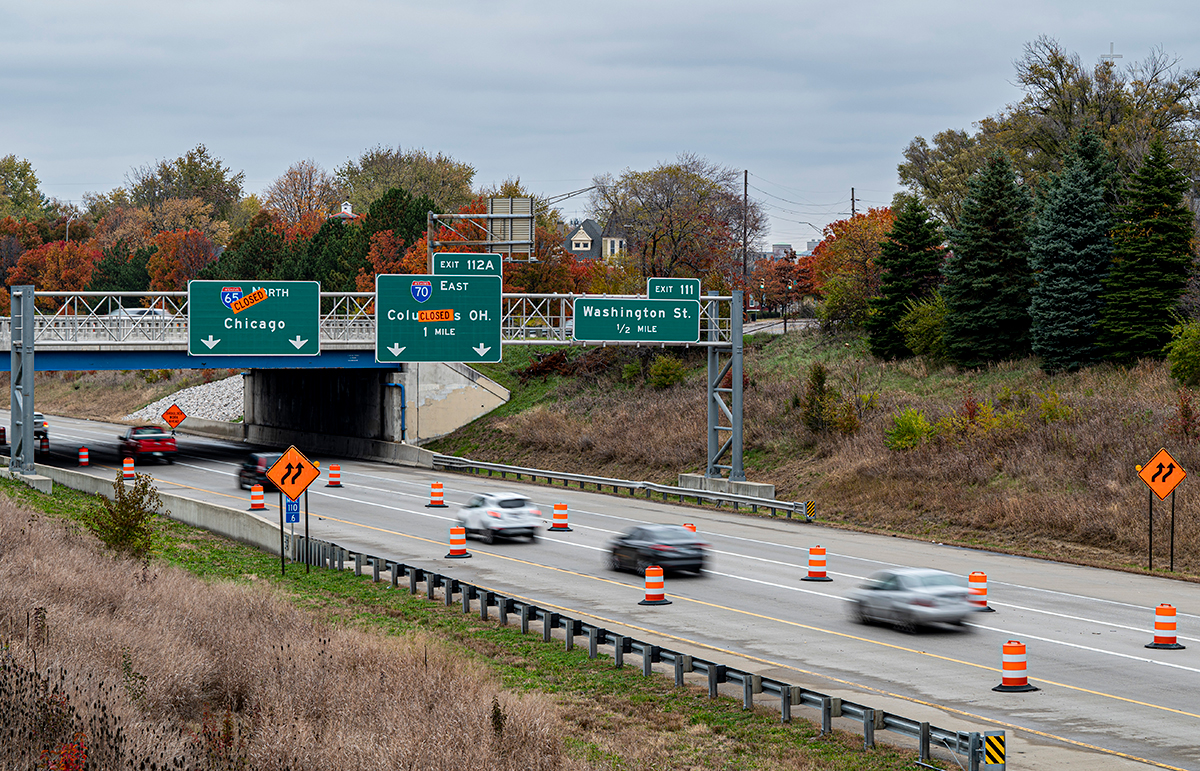
For generations, the narrative of American infrastructure has been one of dazzling innovation followed by protracted decline. The 20th century bequeathed us the Eisenhower Interstate System, the Hoover Dam, and the Tennessee Valley Authority—monuments to national ambition and engineering prowess. But as the 21st century unfolded, the conversation shifted from grandeur to grimace: to potholed highways, structurally deficient bridges, and a digital divide that left millions of Americans on the wrong side of the modern economy.
This story is now entering a new, pivotal chapter. With the passage of a series of landmark federal laws—most notably the Bipartisan Infrastructure Law (BIL), officially the Infrastructure Investment and Jobs Act (IIJA)—the United States has embarked on an ambitious, generational endeavor. We are in the midst of what can rightly be called America’s “Infrastructure Decade,” a concerted, trillion-dollar-plus national project to rebuild the nation’s physical foundations and extend the reach of its digital ones.
This article will serve as a comprehensive guide to this monumental effort. We will track the progress, delve into the specifics of key programs, analyze the challenges, and envision the intended outcomes of this national overhaul, with a focused lens on the three critical areas highlighted in our title: bridges, roads, and broadband.
The Genesis of an Infrastructure Decade: From Political Slogan to National Project
The concept of a major infrastructure push has been a recurring theme in American politics for decades. However, the alignment of several critical factors finally turned this long-held aspiration into a tangible reality.
1. The Deteriorating Baseline: The American Society of Civil Engineers (ASCE) has, for years, provided a sobering report card on the nation’s infrastructure. Their 2021 report—released just as the infrastructure debate was intensifying—awarded the U.S. a cumulative grade of ‘C-‘. While this was a slight improvement from previous years, it highlighted profound deficiencies:
- Bridges: 43,586 bridges were rated structurally deficient. While safe for travel, they required significant repair or replacement.
- Roads: The condition of roads and highways cost the average motorist over $500 annually in extra vehicle repairs and operating costs.
- Broadband: The digital divide impacted over 30 million Americans, particularly in rural and low-income urban areas, who lacked access to reliable, high-speed internet.
This deteriorating state was not just an inconvenience; it was a drag on economic competitiveness, a public safety concern, and a barrier to equity.
2. The COVID-19 Catalyst: The pandemic laid bare the nation’s vulnerabilities. It highlighted the critical importance of resilient supply chains, which depend on modern ports, railways, and highways. It also made clear that high-speed internet was no longer a luxury, but a necessity for work, education, and healthcare. The economic shock of the pandemic also created a political and economic imperative for large-scale government investment to stimulate a recovery.
3. Bipartisan, if Fragile, Consensus: Despite deep political polarization, infrastructure remained one of the few issues with potential for common ground. The Bipartisan Infrastructure Law, signed in November 2021, became the vehicle. With a price tag of approximately $1.2 trillion, including $550 billion in new spending, it represented the largest long-term investment in America’s infrastructure in more than half a century.
Pillar I: Rebuilding America’s Bridges – From “Structurally Deficient” to Structurally Sound
Bridges are the most visible and symbolic elements of our infrastructure network. A failing bridge is not just a traffic headache; it is a potential catastrophe and a severe chokepoint for commerce.
The Scale of the Problem:
The U.S. has over 617,000 bridges. The 43,000+ structurally deficient ones are crossed 178 million times daily. The most infamous example, the 2007 collapse of the I-35W Mississippi River bridge in Minneapolis, was a tragic reminder of the human cost of neglect.
Key Programs and Funding:
The BIL makes a historic investment in bridge infrastructure, primarily through two key programs:
- The Bridge Formula Program: This is the largest dedicated investment in bridges since the construction of the Interstate Highway System. It provides $26.5 billion to states over five years specifically for bridge repair and replacement. Funding is allocated by formula, ensuring every state receives a significant share to address its highest-priority projects.
- The Bridge Investment Program: A competitive grant program focused on large-scale projects, particularly those of regional and national economic significance. With $12.5 billion available, this program targets the repair, replacement, and rehabilitation of major bridges.
Progress and Early Wins:
The rollout of bridge funding has been one of the fastest and most visible aspects of the Infrastructure Decade.
- Accelerated Timelines: States have moved quickly to obligate funds. Within the first year, the U.S. Department of Transportation (USDOT) announced that funding for over 3,000 bridge projects had been committed.
- Iconic Projects: The program is funding both small, locally critical bridges and monumental ones. For example, the Brent Spence Bridge connecting Ohio and Kentucky—a notorious bottleneck on the I-75 corridor—is receiving a massive investment for a companion bridge to alleviate congestion and improve safety, without tolls on the existing structure.
- Focus on Equity and Safety: The program mandates that states must first address structurally deficient bridges off the National Highway System, which often include crucial connectors in rural and low-income communities that have been historically overlooked.
Expert Insight:
“Bridges have a finite lifespan, and decades of underinvestment created a massive backlog,” says Dr. Sarah Jensen, a structural engineer and professor at a major university. “The Bridge Formula Program is so effective because it provides predictable, steady funding. State Departments of Transportation can now plan multi-year rehabilitation programs with confidence, which is far more efficient than the patchwork, emergency-repair approach of the past. The focus on using modern materials like high-performance concrete and corrosion-resistant steel will also ensure these new structures last for the next century.”
Pillar II: Resurfacing the Nation’s Roads – Beyond Potholes to a Smarter System
While bridges capture headlines, the condition of America’s roads impacts every citizen daily. The Infrastructure Decade’s goal is not merely to repave crumbling asphalt but to reimagine a safer, more resilient, and more efficient surface transportation network.
The Scale of the Problem:
Americans spend an estimated 8.4 billion hours delayed in traffic annually, at a cost of $160 billion in wasted time and fuel. Poor road conditions are a contributing factor in approximately one-third of traffic-related fatalities.
Key Programs and Funding:
Road funding is distributed through a variety of established and new mechanisms:
- Core Highway and Transit Formula Funding: The BIL provides a significant increase in funding to existing state programs, sending $273 billion to states over five years for a wide range of projects, including road resurfacing, expansion, and safety improvements.
- Discretionary Grant Programs: Programs like RAISE (Rebuilding American Infrastructure with Sustainability and Equity) and the INFRA (Infrastructure for Rebuilding America) grants provide billions for larger, transformative projects that might not be funded by formula alone. These grants incentivize innovation, multimodal connections, and benefits to underserved communities.
- The National Electric Vehicle Infrastructure (NEVI) Formula Program: This is a forward-looking component of the road overhaul. With $5 billion, it aims to build a nationwide network of 500,000 EV chargers along the Interstate Highway System, addressing one of the biggest barriers to electric vehicle adoption.
Progress and Evolving Priorities:
The approach to roads has evolved from simple repair to a more holistic vision.
- Complete Streets: Many federally funded projects now incorporate “Complete Streets” principles, designing roads not just for cars, but for pedestrians, cyclists, and public transit users. This improves safety, promotes healthier communities, and reduces congestion.
- Resilience: In an era of climate change, new road projects are being designed to withstand more extreme weather. This includes elevating roadways in flood-prone areas, using permeable pavements to manage stormwater, and reinforcing embankments against landslides.
- Smart Technology: Investments are being made in Intelligent Transportation Systems (ITS)—such as smart traffic signals, vehicle-to-infrastructure (V2I) communication, and real-time data monitoring—to optimize traffic flow and enhance safety.
Expert Insight:
“We are at a tipping point in transportation engineering,” observes Michael Rodriguez, a former state DOT director and current infrastructure consultant. “The conversation has shifted from ‘how do we move more cars?’ to ‘how do we move more people and goods more efficiently and safely?’ The new funding allows us to integrate technology and design principles that were once considered experimental. For instance, the NEVI program isn’t just about chargers; it’s about rethinking rest stops and service plazas as multimodal hubs for the 21st century.”
Read more: Your Weekend Local: 5 Can’t-Miss Community Events Happening Near You
Pillar III: Connecting the Nation – The Broadband Buildout as a New Utility
If roads and bridges are the arteries of the physical economy, broadband internet is the central nervous system of the digital one. The Infrastructure Decade recognizes this by treating broadband with the same urgency as traditional utilities.
The Scale of the Problem:
The “digital divide” is a multi-faceted challenge:
- Access: A lack of physical infrastructure (fiber-optic cables, cell towers) in remote rural areas.
- Affordability: Even where service exists, the cost is prohibitive for many low-income families.
- Adoption: A lack of digital literacy or access to devices prevents people from using the internet even if it’s available and affordable.
Key Programs and Funding:
The BIL addresses this with an unprecedented $65 billion investment in broadband, managed primarily by the National Telecommunications and Information Administration (NTIA).
- The Broadband Equity, Access, and Deployment (BEAD) Program: The crown jewel of the broadband effort, with $42.45 billion. BEAD provides grants to states and territories to fund the deployment of high-speed internet infrastructure in unserved (no internet) and underserved (slow or unreliable internet) areas. States are currently finalizing their initial proposals for how they will use these funds.
- The Affordable Connectivity Program (ACP): While established earlier, the ACP was bolstered by the BIL. It provides a monthly subsidy of up to $30 (up to $75 on Tribal lands) to help low-income households pay for internet service. This directly tackles the affordability barrier.
- Digital Equity Act Programs: This component provides $2.75 billion to promote digital literacy and skills, ensuring that once infrastructure is built, people have the knowledge to use it effectively.
Progress and Implementation Challenges:
The broadband rollout is a complex, multi-year process that is currently in its crucial early stages.
- Mapping the Divide: A critical first step was the creation of the FCC’s new National Broadband Map. This map, which allows for public challenge, is used to determine the precise allocation of BEAD funds to each state. This data-driven approach aims to ensure money goes where it’s needed most.
- State-Led Deployment: Each state is designing its own grant process for sub-grantees (telecom companies, cooperatives, municipalities). This local approach is intended to leverage state-level expertise but creates a varied landscape of timelines and rules.
- Technological Neutrality: The programs are technologically neutral, meaning funding can go to the best solution for a given area—whether it’s fiber-optic, fixed wireless, satellite, or other technologies. However, there is a strong preference for “future-proof” fiber where feasible.
Expert Insight:
“This is the most significant public investment in broadband in our nation’s history, akin to the Rural Electrification Act of the 1930s,” states Dr. Amina Russo, a policy fellow who has advised states on their BEAD plans. “The success of BEAD will hinge on execution. We need robust competition for the grants, efficient workforce development to handle the massive build-out, and strong partnerships with local communities to ensure the networks built today meet their needs for decades. The focus on ‘middle-mile’ infrastructure—the crucial links between major networks and local ‘last-mile’ providers—is a particularly smart investment that will lower costs and spur competition long-term.”
Cross-Cutting Challenges and Critical Considerations
An undertaking of this magnitude does not come without significant hurdles. The success of the Infrastructure Decade will depend on how well the nation navigates these challenges.
1. The Workforce Gap: The U.S. faces a massive shortage of skilled tradesworkers—from welders and electricians to broadband technicians and engineers. The Associated Builders and Contractors estimates the industry needs to attract 546,000 additional workers in 2024 alone to meet demand. Addressing this requires robust investments in vocational training, apprenticeships, and making the construction trades a more attractive and diverse career path.
2. Inflation and Supply Chain Pressures: The surge in demand for materials like steel, concrete, lumber, and fiber-optic cable, coupled with global supply chain disruptions, has driven up project costs. This means the allocated funding may not stretch as far as initially planned, potentially forcing difficult choices about scaling back projects or finding additional funds.
3. Permitting and Regulatory Speed: A common critique of large infrastructure projects is the time it takes to get through environmental reviews, permitting, and other regulatory approvals. The BIL includes some provisions to streamline these processes, but balancing speed with thorough environmental protection and community input remains a delicate act.
4. Ensuring Equity in Implementation: A core promise of the Infrastructure Decade is to “build back better” by rectifying historical inequities. This means proactively ensuring that investments reach marginalized communities—both rural and urban—that have suffered from decades of disinvestment. This requires intentional planning, community engagement, and tracking outcomes to ensure promises are met.
The Road Ahead: A Vision for 2030
If executed effectively, what will America look like at the end of this Infrastructure Decade?
- Safer and More Efficient Travel: Commutes will be shorter and less stressful. The number of structurally deficient bridges will be a fraction of what it is today. Traffic fatalities, especially of pedestrians and cyclists, will decline due to smarter road designs.
- A Truly Connected Nation: The digital divide will be substantially closed. High-speed internet will be accessible and affordable for the vast majority of Americans, unlocking new opportunities for remote work, telemedicine, and education in every corner of the country.
- A Resilient and Competitive Economy: Goods will move more swiftly and reliably from farms and factories to ports, strengthening supply chains. A modernized infrastructure will make the U.S. more competitive globally, attracting business and fostering innovation.
- A Foundation for a Cleaner Future: The investments in EV charging, public transit, and climate-resilient design will position the U.S. to better meet its climate goals and adapt to a changing environment.
The Infrastructure Decade is more than a series of construction projects; it is a national investment in the country’s future prosperity, safety, and equity. The path is complex and fraught with challenges, but the commitment has been made. The task now is one of diligent execution, transparent oversight, and sustained focus to ensure that this historic opportunity to rebuild the American foundation is fully realized.
Read more: Walking Through Time: The Untold History of [Your City’s] Most Historic Neighborhood
Frequently Asked Questions (FAQ)
Q1: How can I find out about infrastructure projects happening in my local community?
A: The best starting point is your state’s Department of Transportation (DOT) website. Most have interactive maps and project dashboards detailing planned, ongoing, and completed work funded by the BIL. Your local city or county government website is also a good resource for more localized projects.
Q2: I live in a rural area with poor internet. How do I get connected through these new programs?
A: The process is unfolding state-by-state.
- First, check your address on the FCC’s National Broadband Map to confirm its status as “unserved” or “underserved.” You can file a challenge if the information is incorrect.
- Contact your state’s broadband office (a list is maintained by the NTIA). They are responsible for administering the BEAD funds and will have information on their timeline for awarding grants to service providers.
- In the meantime, you can check your eligibility for the Affordable Connectivity Program (ACP) . If service becomes available, this subsidy can make it immediately more affordable.
Q3: All this spending sounds expensive. How are we paying for it, and will it increase the national debt?
A: The Bipartisan Infrastructure Law is funded through a combination of repurposed unused COVID-19 relief funds, strengthened tax enforcement for cryptocurrencies, and other fiscal measures. The Congressional Budget Office (CBO) did estimate that it would add to the deficit over the long term, though less than initially projected. Proponents argue that the long-term economic growth generated by modern infrastructure—through increased productivity, new jobs, and business expansion—will ultimately generate additional tax revenue that offsets a significant portion of the cost.
Q4: With all the talk of roads and broadband, what about other types of infrastructure like water systems, airports, and the power grid?
A: The Bipartisan Infrastructure Law is incredibly comprehensive. It includes:
- Water: $55 billion to replace lead pipes and service lines and to address PFAS “forever chemicals” in drinking water.
- Airports: $25 billion for modernization projects at airports across the country.
- Energy Grid: Over $65 billion to upgrade the power infrastructure, build thousands of miles of new resilient transmission lines, and promote clean energy.
This article focused on bridges, roads, and broadband due to their direct, widespread impact, but the law represents a holistic upgrade of America’s core systems.
Q5: How is waste, fraud, and abuse being prevented in such a massive spending package?
A: The law includes several oversight mechanisms. It established new offices within the White House and federal agencies, like the Office of the Inspector General at the USDOT, to specifically monitor BIL spending. There are also stringent reporting requirements for grant recipients and a public-facing dashboard (whitehouse.gov/build) to track funding and project progress, promoting transparency and accountability.
Q6: I’m a contractor or a worker in the trades. How can I get involved in these projects?
A: Opportunities abound. Monitor the “SAM.gov” website, where many federal contract opportunities are posted. Connect with your state and local DOTs, as they will be hiring for both design and construction. For broadband, keep an eye on your state broadband office’s announcements for Requests for Proposals (RFPs) from service providers who will need subcontractors and workers. Engaging with local trade unions and industry associations is also an excellent way to find opportunities.