
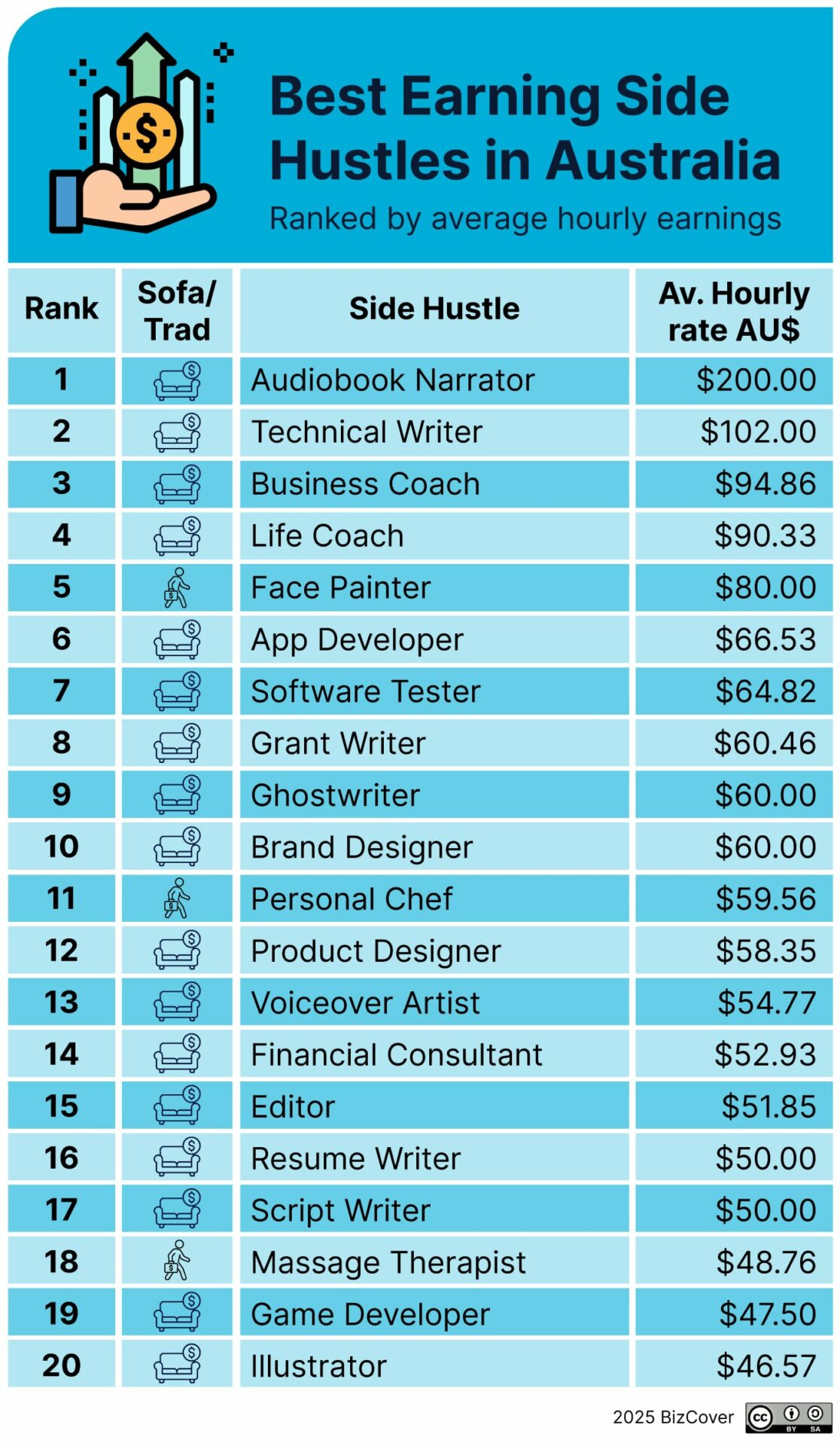
In an era of economic flux and evolving career paths, the “side hustle” has graduated from a trendy buzzword to a financial necessity for millions. It’s no longer just about making a few extra dollars; it’s about building resilience, pursuing passions, and creating multiple streams of income in a dynamic global economy. But with so much noise online, a critical question remains: which side hustles actually pay, and how can you avoid the scams and low-effort traps?
This guide cuts through the hype. We will explore a curated list of legitimate, profitable side hustles, categorized by skill set. More importantly, we will provide a strategic framework for launching your own venture, grounded in principles of Experience, Expertise, Authoritativeness, and Trustworthiness (EEAT). This isn’t just about finding a gig; it’s about building a sustainable, rewarding micro-business on your own terms.
The Mindset Shift: From “Quick Cash” to “Sustainable Income”
Before diving into the list, a crucial mindset shift is required. The most successful side hustlers don’t chase get-rich-quick schemes. They understand that a profitable side hustle is a small business. It requires planning, marketing, customer service, and financial management.
The Three Pillars of a Successful Side Hustle:
- Leverage Existing Skills: The fastest path to profitability is to monetize what you already know. Are you a whiz with Excel? A gifted writer? A meticulous organizer? Your professional and personal skills are your most valuable assets.
- Solve a Real Problem: The gig economy thrives on solving pain points. People pay for convenience, expertise, and solutions. Your side hustle should address a specific need, whether it’s saving time, reducing stress, or enhancing a skill.
- Prioritize Scalability: While trading hours for dollars is a valid starting point, the most lucrative hustles have the potential to scale. This means creating digital products, building systems, or developing assets that can generate income without your direct, constant involvement.
With this foundation, let’s explore the side hustles that have proven their worth in the real world.
Category 1: The Digital Skill Set: Monetizing Tech & Creativity
This category is for those comfortable working online, with skills in writing, design, marketing, or technology.
1. Freelance Writing & Copywriting
If you have a knack for words, this is one of the most accessible and in-demand fields.
- What It Is: Creating written content for businesses, blogs, websites, and marketing materials. This can range from blog posts and articles (like this one) to website copy, email newsletters, and white papers.
- Skills Required: Excellent grammar, ability to adapt to different brand voices, research skills, and basic SEO knowledge.
- Earning Potential: $30 – $150+ per hour. Rates vary wildly based on niche (e.g., finance and tech pay more), experience, and project type. A 1000-word blog post can fetch anywhere from $50 to $500.
- How to Start:
- Build a Portfolio: Start a free blog on Medium or WordPress to showcase your work. Offer to write a few pieces for a small business or nonprofit to build your portfolio.
- Specialize: Don’t be a generalist. Become the “go-to” writer for “SaaS startups” or “sustainable lifestyle brands.”
- Find Clients: Use platforms like Upwork and Contra to start, but quickly move to pitching directly to companies you admire or through LinkedIn outreach.
2. SEO Consulting
Search Engine Optimization is the lifeblood of the modern web. Businesses desperately need help ranking higher on Google.
- What It Is: Analyzing websites and advising businesses on how to improve their organic (non-paid) search traffic through technical fixes, content strategy, and link building.
- Skills Required: Deep understanding of how search engines work, analytical skills (using tools like Google Analytics and Ahrefs), and technical website knowledge.
- Earning Potential: $75 – $300+ per hour. Many consultants work on monthly retainers of $1,000 – $5,000+ per client.
- How to Start:
- Certify Your Knowledge: Google’s own SEO courses are a great, free starting point.
- Case Study Your Own Success: Optimize your own website or blog for a specific keyword. Document the entire process and the resulting traffic growth as your primary case study.
- Offer Audits: Start by offering a one-time, low-cost website SEO audit to local businesses or small startups to demonstrate your value.
3. Virtual Assistant (VA) Services
VAs are the remote administrative backbone for countless entrepreneurs, executives, and small teams.
- What It Is: Providing administrative, creative, or technical support to clients remotely. Tasks can include email management, scheduling, social media posting, data entry, and customer service.
- Skills Required: Superb organization, communication, time management, and proficiency with tools like Google Workspace, Slack, and Asana.
- Earning Potential: $20 – $60+ per hour. Specialized VAs (e.g., in real estate or podcast management) command higher rates.
- How to Start:
- Define Your Niche: Are you a VA for creative entrepreneurs, real estate agents, or e-commerce stores? Niching down helps you stand out.
- List Your Services: Be specific. Instead of “administrative support,” say “inbox management, calendar scheduling, and travel booking.”
- Get Your First Clients: Platforms like Zirtual, Time Etc, and Upwork are excellent for finding initial clients.
4. UX/UI Design
As more business is conducted online, the demand for professionals who can create intuitive and beautiful digital experiences is skyrocketing.
- What It Is: User Experience (UX) Design focuses on the overall feel and function of a product, while User Interface (UI) Design focuses on the visual layout. Many side hustlers offer both.
- Skills Required: Proficiency in design tools (Figma, Sketch, Adobe XD), understanding of user psychology, wireframing, and prototyping.
- Earning Potential: $50 – $150+ per hour. Project-based work for a single app screen or website can range from $1,000 to $5,000.
- How to Start:
- Build a Killer Portfolio: Your portfolio is everything. Redesign an existing app or website you think has poor UX and document your process.
- Learn the Fundamentals: Take courses on platforms like Coursera or Interaction Design Foundation to solidify your knowledge.
- Network on Dribbble & Behance: These platforms are where designers showcase their work and get discovered.
Read more: 2024 Election Countdown: Key Battleground States and the Issues Driving Voters
Category 2: The Hands-On Hustle: Monetizing Physical Skills & Local Services
Not all profitable gigs are digital. There’s a massive demand for skilled, reliable local services.
5. Skilled Trades & “TaskRabbit-Plus”
While TaskRabbit is great for furniture assembly, there’s a premium for licensed or highly skilled tradespeople.
- What It Is: Offering services like minor electrical work, plumbing repairs, painting, mounting TVs, smart home installation, and furniture assembly at a professional level.
- Skills Required: Verifiable skill in your trade, proper tools, reliability, and excellent customer service.
- Earning Potential: $40 – $120+ per hour. A skilled tradesperson can easily charge double what a general handyman does.
- How to Start:
- Get Insured & Bonded: This is a non-negotiable for building trust and working in clients’ homes.
- Leverage Local Platforms: Use Thumbtack, Angi (formerly Angie’s List), and even Nextdoor to find clients. Your profile should highlight your specific certifications and skills.
- Collect Testimonials: After every successful job, ask for a review on the platform or a written testimonial for your own website.
6. Personal Training & Wellness Coaching
The health and wellness industry is booming. If you’re passionate about fitness, this is a natural fit.
- What It Is: Providing one-on-one or small group fitness instruction, yoga classes, or wellness coaching (e.g., nutrition, mindfulness).
- Skills Required: A recognized certification (e.g., NASM, ACE for personal training), CPR/AED certification, empathy, and motivational skills.
- Earning Potential: $40 – $100+ per session. Group classes can increase your per-hour revenue significantly.
- How to Start:
- Get Certified: Do not skip this step. A certification provides the expertise and authority needed to charge professional rates.
- Start Local & Hybrid: Offer sessions in local parks or clients’ homes. You can also conduct virtual sessions via Zoom to expand your reach.
- Specialize: Cater to a specific demographic like “post-natal fitness,” “training for runners over 40,” or “corporate wellness.”
7. Mobile Car Detailing
This is a classic side hustle with a modern, convenience-focused twist.
- What It Is: Providing professional-level car cleaning, polishing, and waxing services at the client’s home or office.
- Skills Required: Knowledge of proper detailing techniques, quality products, and a keen eye for detail.
- Earning Potential: $50 – $150+ per vehicle. Premium packages with paint correction and ceramic coatings can run into the hundreds of dollars.
- How to Start:
- Invest in Quality Equipment: A reliable vacuum, polisher, and professional-grade cleaning supplies are key.
- Master the Process: Watch tutorials from reputable detailers on YouTube to learn the most efficient and effective methods.
- Market on Social Media: Before-and-after photos and videos are incredibly powerful on platforms like Instagram and Facebook. Target local community groups.
Category 3: The Creative & Knowledge Economy: Monetizing Your Passions
Turn your hobbies and deep knowledge into a revenue stream.
8. Selling Digital Products
This is the holy grail of scalable side hustles. You create an asset once and sell it repeatedly.
- What It Is: Creating and selling intangible goods online. This includes printable art and planners, digital workbooks, presets for photographers, Notion templates, e-books, and online courses.
- Skills Required: Expertise in a specific area, basic design skills (Canva is a great tool), and an understanding of your target audience’s needs.
- Earning Potential: Passive & Scalable. You could make $100 or $10,000+ per month. The ceiling is high, but it requires upfront work and marketing.
- How to Start:
- Identify a Problem: What does your audience struggle with? A “Social Media Content Calendar Template” solves an organization problem. A “Beginner’s Guide to Investing” solves a knowledge gap.
- Create a High-Quality Product: Don’t create low-effort junk. Provide genuine value.
- Sell on Your Own Platform: Use platforms like Gumroad, SendOwl, or Ko-fi to sell with low fees. Promote your products on Pinterest, Instagram, and relevant online communities.
9. Podcast/Video Editing
The content creation boom has created a parallel demand for skilled editors who can polish raw audio and video.
- What It Is: Editing podcast audio or YouTube videos for creators, removing mistakes, adding music and sound effects, and creating a final, polished product.
- Skills Required: Proficiency with editing software (Adobe Audition/Premiere Pro, Final Cut Pro, Descript), a good ear for audio, and an understanding of pacing.
- Earning Potential: $30 – $80+ per hour. Many editors charge per episode, ranging from $50 for a simple podcast to $500+ for a complex YouTube video.
- How to Start:
- Edit Sample Content: Offer to edit a few episodes for a new podcaster for free or at a steep discount to build your portfolio.
- Define Your Service Tiers: Create clear packages (e.g., Basic Edit, Standard Edit with show notes, Premium Edit with video clips for social media).
- Network in Creator Communities: Find clients in Discord servers, Facebook groups, and Subreddits dedicated to podcasting and YouTubing.
10. Reselling & Flipping
This hustle combines a keen eye for value with the thrill of the hunt.
- What It Is: Sourcing undervalued items from thrift stores, garage sales, and Facebook Marketplace, and reselling them for a profit on platforms like eBay, Poshmark, or eBay.
- Skills Required: Knowledge of specific niches (e.g., vintage t-shirts, designer handbags, mid-century modern furniture), photography skills, and marketing.
- Earning Potential: Highly Variable. A $5 thrift store find could sell for $100. Consistent hustlers can make a few hundred to a few thousand dollars per month.
- How to Start:
- Pick a Niche: Become an expert in one or two categories. This allows you to quickly identify valuable items.
- Master Photography & Listings: High-quality photos and compelling descriptions are what sell items online.
- Understand the Numbers: Factor in all costs—purchase price, shipping, platform fees, and packaging—to ensure you’re actually making a profit.
The EEAT Framework: Building a Side Hustle That People Trust
Anyone can list a service. But to command high rates and build a steady clientele, you must embody EEAT. This is what separates the amateur from the professional.
E is for Experience: “I’ve Done This Myself.”
Experience is your most powerful credential. It’s proof that your methods work.
- How to Demonstrate It:
- Case Studies: “I helped a local bakery increase their website traffic by 200% in 3 months. Here’s how.” Use real data and client testimonials (with permission).
- Portfolio of Work: Your writing portfolio, your before-and-after detailing photos, your edited podcast episodes—this is tangible proof of experience.
- Tell Your Story: “As a former accountant, I now create financial templates that help freelancers manage their taxes.”
E is for Expertise: “I Know This Deeply.”
Expertise is the knowledge that underpins your experience. It’s your theoretical and practical understanding of your field.
- How to Demonstrate It:
- Certifications: A personal training cert, an SEO certification, a Google Analytics qualification.
- Educational Content: Share your knowledge freely. A VA could post a LinkedIn article on “5 Asana Features Every Solopreneur Should Use.” This positions you as an expert.
- Stay Current: Subscribe to industry newsletters, take refresher courses, and continuously learn.
A is for Authoritativeness: “Others Recognize My Expertise.”
Authoritativeness is external validation. It’s what others say about you.
- How to Demonstrate It:
- Client Testimonials: Feature these prominently on your website and social media.
- Guest Posts & Interviews: Write for established blogs in your industry or be a guest on a relevant podcast.
- Media Mentions: Getting featured in a local news segment or an online publication boosts authority significantly.
T is for Trustworthiness: “I Am Reliable and Transparent.”
Trust is the foundation. Without it, no one will hire you or buy from you.
- How to Demonstrate It:
- Clear Communication: Respond to inquiries promptly and professionally.
- Transparent Pricing: Have clear rates or packages listed on your website. Avoid hidden fees.
- Professional Website & Contracts: A clean, secure (HTTPS) website and a simple service contract build immediate trust.
- Easy-to-Find Contact Information: Make it simple for potential clients to reach you.
The Launch Plan: Your 5-Step Checklist to Starting Now
- Self-Audit & Niche Down (1 Week): List your top 5 skills and passions. Cross-reference them with the hustles above. Choose one specific niche to start (e.g., not “writing,” but “SEO-optimized blog posts for B2B tech companies”).
- Set Up Your “Business in a Box” (1 Week):
- Create a Simple Landing Page: Use Carrd or Canva to build a one-page website that clearly states who you are, what you do, and who you help.
- Set Up a Separate Bank Account: Use a service like Lili or Novo to keep your side hustle finances separate from your personal accounts.
- Create a Portfolio: Gather 3-5 examples of your work, even if you have to create them speculatively.
- Price Your Services Competitively (1 Day): Research what others in your niche are charging. Don’t be the cheapest option. Price based on the value you provide. For service-based hustles, consider a “starter package” price to lower the barrier to entry.
- Find Your First Client (Ongoing):
- Leverage Your Network: Tell friends, family, and former colleagues what you’re doing.
- Use 1-2 Platforms: Create a polished profile on Upwork, Fiverr, or a niche platform.
- Cold Outreach (Optional but Powerful): Identify 5-10 ideal potential clients and send them a personalized, value-driven email explaining how you can help them.
- Deliver 5-Star Service & Get a Testimonial: Your first client is your most important. Go above and beyond. Upon successful completion, politely ask for a testimonial or a review on the platform you used.
Conclusion: Your Financial Future is a Side Project Away
Building a profitable side hustle is a marathon, not a sprint. It requires effort, strategy, and a commitment to delivering real value. But the rewards extend far beyond the extra income. You gain autonomy, new skills, professional confidence, and a powerful sense of security knowing that you are not reliant on a single source of income.
The gig economy is not just about gigs; it’s about empowerment. It’s a platform for you to take control of your skills, your time, and your financial destiny. By choosing a hustle that aligns with your talents, applying the EEAT framework to build trust, and executing with a solid plan, you can turn your spare time into a significant, sustainable, and rewarding stream of extra income.
Stop dreaming about it. Start building it.
Read more: The Economic Divide: How Inflation and Interest Rates Are Reshaping the American Wallet
Frequently Asked Questions (FAQ)
Q1: How many hours per week should I dedicate to my side hustle?
A: Start small and be consistent. Dedicating 5-10 focused hours per week is a sustainable starting point for most hustles. As you become more efficient and start earning, you can adjust the time commitment based on your goals.
Q2: How do I handle taxes on my side hustle income?
A: In the U.S., you are considered self-employed for your side hustle. You are responsible for paying self-employment tax (Social Security and Medicare) and income tax on your net earnings. It’s crucial to:
- Track Every Expense: Mileage, software subscriptions, home office costs, and equipment are often deductible.
- Set Aside 25-30% of Income: Put this percentage of every payment into a separate savings account for taxes.
- Pay Quarterly Estimated Taxes: The IRS requires you to pay taxes throughout the year if you expect to owe more than $1,000.
- Consult a Tax Professional: For personalized advice, especially in your first year.
Q3: What’s the biggest mistake new side hustlers make?
A: The biggest mistake is trying to do everything for everyone. Being a generalist makes you a commodity. The second biggest mistake is undercharging out of fear. Niching down and pricing confidently based on your value are the two fastest ways to become profitable.
Q4: How can I avoid burnout while working a full-time job and a side hustle?
A: Burnout is a real risk. Prevent it by:
- Time Blocking: Schedule your side hustle work like you would a meeting.
- Setting Boundaries: Have clear “on” and “off” hours. Communicate these to family and friends.
- Automating & Systematizing: Use templates for proposals, invoices, and emails. Create standard operating procedures for repetitive tasks.
- Taking Breaks: A tired mind is an unproductive mind. Schedule downtime and stick to it.
Q5: When should I consider turning my side hustle into a full-time business?
A: Consider making the leap when your side hustle meets these criteria:
- It consistently generates enough income to replace 70-80% of your full-time salary for at least 6 months.
- You have a pipeline of future work or a growing list of returning clients.
- You have saved an emergency fund (3-6 months of living expenses).
- The work is sustainable and brings you more joy than stress.
Q6: Are there any side hustles I should avoid?
A: Be highly skeptical of any “opportunity” that requires you to:
- Pay a large upfront fee for “training” or “starter kits.”
- Focus on recruiting others rather than selling a real product or service (these are often MLMs/pyramid schemes).
- Make promises of easy, passive income with little to no work.
- Are vague about what the work actually entails.