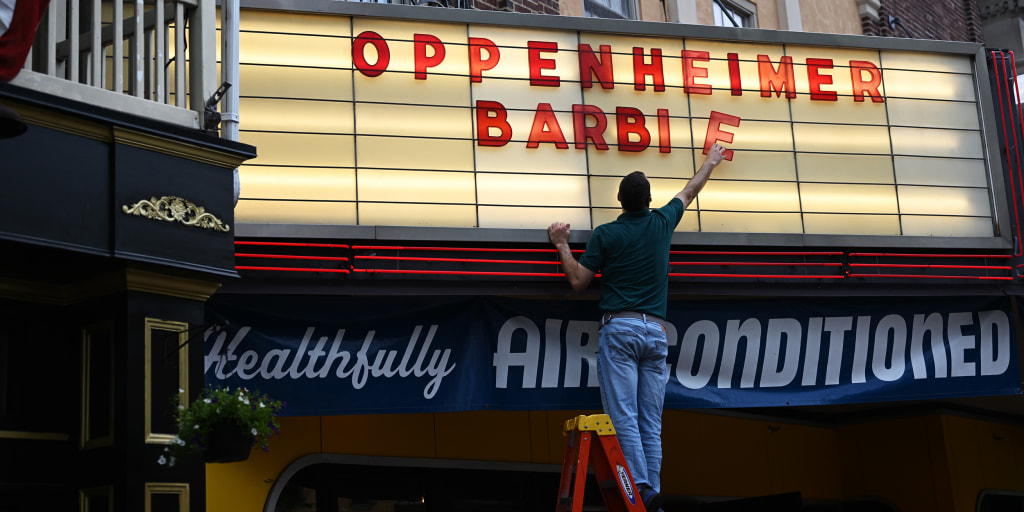
For a few years, the narrative was bleak. The pandemic shuttered theaters, streaming services promised endless content from the comfort of home, and the very model of theatrical exhibition seemed on the verge of collapse. The phrase “the death of cinema” was uttered not as a prophecy, but as an obituary. As recently as the summer of 2023, with high-profile underperformers like The Flash and Indiana Jones and the Dial of Destiny, the industry was gripped by a palpable anxiety.
But in the summer of 2024, a different sound has returned to Hollywood: the roar of a crowd, the rustle of popcorn bags in a packed auditorium, and the satisfying ka-ching of box office tills. A potent cocktail of long-awaited sequels, crowd-pleasing originals, and genuine event cinema has ignited a global box office resurgence. Films like Inside Out 2, Despicable Me 4, Deadpool & Wolverine, and Twisters have not just performed well; they have smashed records, drawing families, teens, and adults back to the multiplex in numbers not seen since 2019.
The question on everyone’s lips is simple yet profound: Is the 2024 summer box office saving Hollywood? The answer is not a simple yes or no. This resurgence is not a magic cure, but rather a critical, life-saving transfusion. It has bought Hollywood time and provided a desperately needed blueprint for the future. This article will delve deep into the data, the films, the shifting audience habits, and the industry’s structural challenges to answer whether this boom is a temporary reprieve or the foundation of a new, sustainable golden age.
Part 1: The Anatomy of a Boom – Deconstructing the 2024 Success Stories
The summer of 2024 wasn’t a fluke; it was a strategic, albeit risky, victory. The success can be attributed to a confluence of factors that aligned perfectly to create a must-go-to-the-movies environment.
1.1 The Power of Proven IP: Sequels and Legacy Sequels Done Right
The common thread among the biggest hits is Intellectual Property (IP). However, this wasn’t merely about brand recognition; it was about delivering on a brand’s promise in a way that felt both familiar and fresh.
- Inside Out 2 ($2.35 Billion+ Global Box Office): A masterclass in expanding a beloved concept. Pixar didn’t just rehash the original; it introduced a new set of emotions relevant to the complex stage of adolescence. It tapped into a powerful nostalgia for those who grew up with the first film while remaining accessible to a new generation of kids. Its emotional intelligence resonated across age groups, making it a true four-quadrant (appealing to men, women, and people under and over 25) animated film.
- Deadpool & Wolverine ($1.5 Billion+ Global Box Office): This film was an event a decade in the making. By integrating the irreverent, R-rated Deadpool into the MCU and pairing him with the iconic Hugh Jackman’s Wolverine, Marvel created an unprecedented cinematic moment. It was a sequel, a legacy sequel, and a soft reboot for the character, all while leveraging multiverse storytelling to create stakes and surprise cameos that fueled viral marketing. It proved that after a period of superhero fatigue, the genre could still thrive with a unique voice and a clear, can’t-miss premise.
- Despicable Me 4 ($1.1 Billion+ Global Box Office): The Despicable Me/Minions franchise is arguably the most consistent box office powerhouse of the 21st century. Illumination Entertainment understands its audience perfectly: bright, fast-paced, gag-driven comedy that appeals to children and the child in every adult. The film’s success underscores the unwavering global appeal of Gru and his yellow minions, a brand so strong it can weather any industry storm.
1.2 The Surprise Hit: Original(ish) Event Cinema
While IP ruled, the summer also proved that original stories—or fresh takes on old concepts—could become massive hits if they offered a big-screen spectacle.
- Twisters ($750 Million+ Global Box Office): A perfect example of a “legacy sequel” that functions as a stand-alone event. It wasn’t dependent on knowledge of the 1996 film. Instead, it sold itself on a primal, visual promise: the terrifying, awe-inspiring power of tornadoes, amplified by modern CGI and IMAX sound. It was sold as a theatrical experience—a rollercoaster ride that couldn’t be replicated at home. Its success echoes that of Top Gun: Maverick, proving that well-executed, high-stakes practical (and practical-looking) effects can be a major draw.
1.3 The Perfect Release Calendar: A Lesson in Counter-Programming
A key factor in 2024’s success was the strategic spacing of releases. Studios learned from the congested, cannibalistic summers of the past.
- Bad Boys: Ride or Die (May Release): Kicked off the summer early with a proven action-comedy franchise for an adult audience.
- Inside Out 2 (Mid-June): Captured the family audience right as schools were letting out.
- A Quiet Place: Day One (Late June): Provided a horror-thriller alternative for older teens and adults.
- Despicable Me 4 (Early July): Doubled down on the family market with a different comedic tone.
- Twisters (Mid-July): Captured the teen and adult demographic seeking spectacle.
- Deadpool & Wolverine (Late July): Provided the summer’s R-rated, fan-driven crescendo.
This cadence allowed each film to have its moment in the cultural sun, dominating headlines for one to two weeks before the next event arrived, preventing audience fatigue and wallet fatigue.
Part 2: The “Before Times” – Understanding the Crisis Hollywood Faced
To appreciate the significance of this boom, one must understand the depth of the crisis. The challenges were not just about post-pandemic recovery; they were existential.
2.1 The Pandemic Wound
The COVID-19 pandemic was a near-fatal blow. Global theater closures lasted for months, and even upon reopening, capacity limits and health concerns kept audiences away. The simultaneous shift to day-and-date streaming releases (like Wonder Woman 1984 on HBO Max) trained a segment of the audience to wait for the home release, devaluing the theatrical window.
2.2 The Streaming Paradox
For years, the corporate strategy at studios like Disney, Warner Bros., and Paramount was to fuel their streaming services (Disney+, HBO Max, Paramount+). This created a fundamental conflict: were they in the business of creating theatrical events or subscription-driving content? High-profile films were often rushed to streaming, sometimes within weeks of their theatrical debut, giving audiences little incentive to leave their couches. The message was mixed: “This is a must-see event! (But you can also see it at home in a month).”
2.3 Franchise Fatigue and Quality Control
Audiences began to reject lazy sequels and diluted content. The MCU, after the conclusion of the “Infinity Saga,” saw a string of films and shows that felt more like homework than events (The Marvels, Ant-Man and the Wasp: Quantumania). DC’s universe was in disarray. The constant churn of content led to a decline in visual and narrative quality, with over-reliance on green screens and unconvincing CGI becoming a common criticism. Audiences became savvier and more selective with their time and money.
2.4 The Economic Squeeze
With rising ticket prices, especially for premium formats like IMAX and Dolby Cinema, and the high cost of concessions, a family trip to the movies became a significant financial decision. A mediocre film was no longer worth the risk when a subscription service offered endless alternatives for a flat monthly fee.
Part 3: How the 2024 Boom is “Saving” Hollywood – The Positive Shifts
The success of this summer is acting as a catalyst for positive, necessary changes within the industry. It’s “saving” Hollywood in several key ways:
3.1 Restoring Financial Viability and Investor Confidence
The most immediate impact is financial. Theatrical box office remains the primary revenue generator for major films, fueling downstream earnings from streaming, VOD, TV licensing, and merchandise. A $1 billion+ grosser like Inside Out 2 or Deadpool & Wolverine is not just profitable; it’s a windfall that can subsidize riskier projects for a studio and stabilize its annual earnings. This profitability restores confidence among studio executives, producers, and shareholders, proving that the theatrical model is not obsolete but is, in fact, the engine of the entire content ecosystem.
3.2 Re-establishing the Theatrical “Event”
The 2024 hits shared one crucial trait: they were sold as events that demanded to be seen on the biggest screen possible. The laughter in a crowded theater during Deadpool & Wolverine, the collective gasps during Twisters‘ storm sequences, the shared emotional journey of Inside Out 2—these are social experiences that cannot be replicated at home. The boom has forcefully reminded both studios and audiences of the unique magic of communal viewing. It has re-established the cultural primacy of the movie theater as the place where water-cooler moments are born.
3.3 Forcing a Return to Quality and Audience-Centric Filmmaking
The failures of 2023 were a brutal but effective market correction. Audiences voted with their wallets, and the message was clear: “We will not show up for just anything.” The 2024 successes are films that, by and large, received strong scores on audience polling (like CinemaScore) and high Rotten Tomatoes ratings from both critics and audiences. This indicates a return to fundamental storytelling, character-driven narratives, and a respect for the source material. Studios are learning that to get people off their couches, the product must be exceptional.
3.4 Stabilizing the Theatrical Window
In response to this success, studios are now publicly recommitting to the exclusive theatrical window. The period between a film’s theatrical release and its home video/streaming debut is being extended back to a more traditional 45-90 days, or even longer for mega-hits. This is a direct result of the boom; why undercut a film that is earning hundreds of millions in theaters? This stabilization is crucial for the survival of theater chains like AMC, Regal, and Cinemark, which rely on that period of exclusivity.
Read more: Money Talks: How to Have THAT Conversation About Finances with Your Partner
Part 4: The Caveats – Why the Boom Isn’t a Complete Salvation
While the positive signs are undeniable, it would be premature to declare all of Hollywood’s problems solved. Significant structural challenges remain.
4.1 The Mid-Budget Crisis Worsens
The boom has been almost exclusively driven by mega-budget tentpoles. The market for the mid-budget film—the adult drama, the original comedy, the romantic thriller—has all but disappeared from the multiplex. While these films can find success on streaming, their disappearance from theaters creates a less diverse cinematic landscape and fails to cultivate adult movie-going habits outside of event seasons. Where is the Jerry Maguire or The Devil Wears Prada of 2024?
4.2 The Streaming Model is Still in Flux
The fundamental tension between theatrical and streaming has not been resolved. While the window has stabilized, every studio still operates a streaming service that is, in most cases, losing money. The pressure to use theatrical hits to drive subscribers to these platforms still exists. The long-term financial sustainability of producing $200 million films for a streaming service with no additional revenue is a question that remains unanswered.
4.3 A Fragile Ecosystem Dependent on a Few Hits
The 2024 summer was a “winner-take-all” market. The top 5 films accounted for a disproportionate share of the total revenue. This is a risky model. If two or three of those tentpoles had failed—as they did in 2023—the narrative would be one of disaster, not salvation. The industry’s health cannot forever hinge on the performance of a dozen films per year.
4.4 The Global Market’s Fickleness
Hollywood is increasingly dependent on the international box office, which often accounts for 70% or more of a film’s total gross. This creates creative challenges, as films are often engineered to have cross-cultural appeal, which can sometimes dilute their distinctiveness. Furthermore, the rise of strong local film industries in countries like China, South Korea, and India means that Hollywood no longer has a guaranteed audience abroad.
Part 5: The Road Ahead – A Blueprint for a Sustainable Future
The 2024 box office boom is not a finish line; it’s a checkpoint. It has provided a clear, data-driven blueprint for what a healthy modern film industry could look like.
- The Tentpole Strategy, Refined: Continue to make big-budget event films, but with a renewed focus on quality, originality within franchises, and a clear theatrical “why.” Every tentpole should feel like an unmissable event.
- Nurture the Middle Ground: Studios must find a way to bring back mid-budget films. This could involve shorter theatrical windows for these specific titles, lower marketing budgets, or strategic releases in less competitive periods. The success of a film like Anyone But You proved there is still an audience for theatrical rom-coms.
- Embrace Theatrical as the Launchpad: The healthiest model appears to be “Theatrical First.” A film earns its keep in cinemas, building buzz and brand value, before moving to streaming where it acts as a prized piece of content to retain subscribers. A hit movie makes a streaming service a more attractive destination.
- Diversify or Die: While the summer was saved by family animation and action, the industry needs a full calendar of diverse offerings. A strong fall Oscar season, a robust horror lineup in October, and a holiday season filled with family films and adult counter-programming are all essential.
Conclusion: Salvation Through Course Correction
So, is the 2024 summer box office saving Hollywood?
The answer is a qualified yes. It is saving Hollywood from the immediate threats of financial ruin, cultural irrelevance, and a crisis of confidence. It has provided a massive financial lifeline and, more importantly, a powerful lesson: audiences will return to theaters, but only for films that justify the effort and expense.
The boom is not a spontaneous miracle; it is the direct result of a course correction towards quality, event-driven filmmaking and a renewed respect for the theatrical experience. It has given the industry a second chance.
The salvation, however, is incomplete. The challenges of the mid-budget film, the streaming equation, and an over-reliance on a handful of franchises remain. The true test will be whether Hollywood learns the right lessons from this summer. Will it reinvest this success into a more diverse and sustainable slate of films? Or will it simply greenlight a flood of soulless sequels, repeating the mistakes that led to the downturn in the first place?
The 2024 summer didn’t just save Hollywood; it gave it a blueprint. The future of the big screen now depends on whether the industry is wise enough to follow it.
Read more: Side Hustles That Actually Pay: Turning Your Skills into Extra Income in the Gig Economy
Frequently Asked Questions (FAQ)
Q1: I keep hearing about “theatrical windows.” What exactly are they?
A: The theatrical window is the period of time during which a film is exclusively shown in movie theaters before it becomes available on other platforms like Video on Demand (VOD), streaming services, or cable TV. This window shrank dramatically during the pandemic but is now expanding back towards a more traditional 45-90 days for major releases.
Q2: What is “superhero fatigue,” and is it real?
A: “Superhero fatigue” refers to the concept that audiences are growing tired of the constant stream of superhero films and TV shows. While it’s not that people hate the genre, they have become more selective. The massive success of Deadpool & Wolverine proves that fatigue is often actually “mediocrity fatigue.” Audiences will still flock to superhero films that are fresh, well-made, and offer a unique take.
Q3: Why are movie tickets and concessions so expensive now?
A: Several factors are at play. For tickets, theaters charge more for premium formats (IMAX, Dolby, 3D) which are now the standard for big event films. Theaters themselves keep a surprisingly small percentage of ticket sales, especially in the first weeks of a film’s release (often as low as 40-50%). To stay profitable, they rely heavily on concession sales, where the markup is high. This business model has been strained by rising operational costs.
Q4: How important is the international box office to a film’s success?
A: Extremely important. For most major Hollywood blockbusters, over 60-70% of their total box office revenue comes from outside the United States and Canada. A film that performs poorly internationally, even if it does well domestically, can often be considered a financial disappointment.
Q5: With the success of these big films, will studios stop making smaller, original movies?
A: This is a major concern. Theatrically, the market for mid-budget original films has shrunk. However, these films are increasingly finding a home on streaming services, where they serve as a constant flow of new content to attract and retain subscribers. So, while you may see fewer of them in theaters, they are still being made in significant numbers for platforms like Netflix, Hulu, and Apple TV+.
Q6: As a moviegoer, how can I support the kinds of films I want to see more of?
A: The most powerful message you can send is with your wallet. See the films you’re excited about in a theater, especially during their opening weekend. Strong opening weekends are a key metric that studios use to gauge success. For smaller films, even a few weeks into their run, your ticket purchase still sends a signal. Additionally, engage positively on social media and review platforms—studios closely monitor audience sentiment.