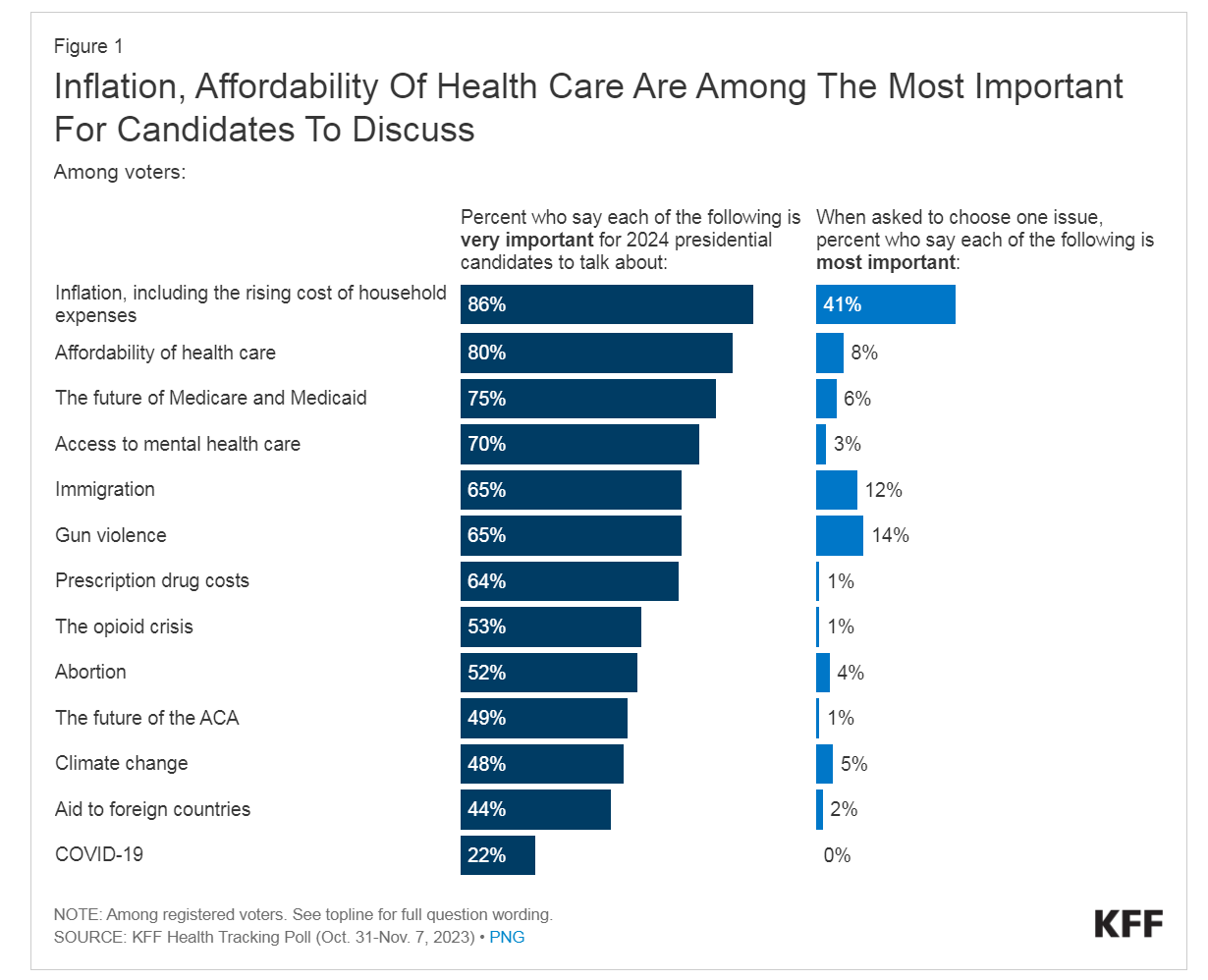
In the grand theater of modern politics, few issues have the visceral, daily impact of the economy. While debates rage over foreign policy, social issues, and cultural values, it is often the state of a voter’s wallet that ultimately steers their political compass. And in the current era, no economic metric is more palpable, more persistent, or more politically potent than inflation.
We are living through what many are calling “The Economic Election.” This is not an election about abstract ideologies or distant threats; it is a referendum on the cost of living. It’s about the shock at the grocery checkout, the strain of the monthly mortgage payment, the difficult calculus of filling up the gas tank, and the anxiety of saving for a future that feels increasingly expensive. While macroeconomic indicators like GDP growth and low unemployment rates tell one story, the microeconomic reality for millions of households tells another, far more compelling one.
This article will delve into the intricate and powerful connection between the persistent inflation and rising cost of living and the shaping of contemporary voter sentiment. We will explore the economic data, the psychological underpinnings of voter behavior, the political framing of the issue, and the potential policy solutions on the table. By examining this phenomenon through the lenses of economics, political science, and behavioral psychology, we can understand why, in 2024, the economy is not just one issue among many—it is the issue.
Section 1: The Economic Backdrop – From Transitory to Entrenched
To understand the current political climate, one must first grasp the economic journey of the post-pandemic world.
1.1 The Perfect Storm: Pandemic, Stimulus, and Supply Chains
The origins of the current inflationary period can be traced directly to the COVID-19 pandemic. The initial lockdowns caused a massive, simultaneous shock to both supply and demand. Factories shuttered, global supply chains seized up, and the production of goods plummeted. Concurrently, governments worldwide, including the United States, unleashed historic levels of fiscal stimulus to prevent economic collapse. Programs like the Coronavirus Aid, Relief, and Economic Security (CARES) Act and the American Rescue Plan Act injected trillions of dollars into the economy, bolstering household savings and demand.
This created a fundamental imbalance: demand, supercharged by stimulus and pent-up savings, came roaring back faster than supply chains could possibly recover. The result was classic demand-pull inflation. If too many dollars are chasing too few goods, prices inevitably rise.
1.2 Compounding Shocks: War, Energy, and Food
Just as the global economy began to navigate the post-pandemic recovery, Russia’s invasion of Ukraine in February 2022 delivered another massive shock. The conflict involved two major global exporters of key commodities: energy (Russian oil and natural gas) and food (Ukrainian wheat and sunflower oil, Russian fertilizer). Sanctions and disruptions sent the prices of oil, natural gas, wheat, and cooking oil soaring, creating a powerful wave of cost-push inflation. This was no longer just about supply chains for electronics and cars; it was about the fundamental costs of energy and sustenance.
1.3 The Data: A Multi-Year Squeeze
The numbers tell a stark story. The Consumer Price Index (CPI), a key measure of inflation, peaked at 9.1% year-over-year in June 2022—a 40-year high. While it has since moderated significantly, falling to around 3-3.7% through early 2024, the cumulative effect is what matters most to voters.
- Grocery Prices: The cost of food at home has risen over 20% cumulatively since the start of 2021. Staple items like eggs, bread, and milk have seen some of the sharpest increases.
- Housing: Shelter costs, the largest component of the CPI, have skyrocketed. Both rent and homeownership costs (via mortgage rates) have become crushing burdens for many. The 30-year fixed mortgage rate climbing from sub-3% in 2021 to over 7% in 2024 has priced millions of aspiring homeowners out of the market and increased the cost of refinancing.
- Energy: Volatile gas and home heating oil prices have created a rollercoaster of financial stress for households.
- Wages vs. Prices: For a significant period, nominal wage growth failed to keep pace with inflation, leading to a decline in real wages. While real wage growth has turned positive in recent months, for many, the gains have not yet erased the losses incurred over the preceding two years.
This cumulative price increase is the “cost of living” crisis in hard data. It’s not a single month’s inflation reading that shapes sentiment; it’s the collective experience of years of prices rising faster than paychecks.
Section 2: The Psychology of Pocketbook Politics
Economic voting is a well-established theory in political science, suggesting that individuals tend to vote based on their personal financial situation (pocketbook voting) or their perception of the nation’s economic health (sociotropic voting). Inflation supercharges this dynamic through several powerful psychological mechanisms.
2.1 The Salience and Frequency of Pain
Inflation is uniquely salient. Unlike a foreign policy decision or a regulatory change, its effects are felt frequently and directly. A voter may interact with the economy dozens of times a week: buying coffee, filling up the car, paying a utility bill, or purchasing groceries. Each of these interactions is a potential reminder of financial strain. This high-frequency negative feedback loop makes the issue top-of-mind and emotionally charged.
2.2 Loss Aversion and the “Money Illusion”
Behavioral economics teaches us that people feel the pain of loss more acutely than the pleasure of an equivalent gain—a concept known as loss aversion. Inflation feels like a loss. It erodes purchasing power, making people feel poorer even if their nominal income has stayed the same. This is tied to the “money illusion,” where people think in nominal rather than real (inflation-adjusted) terms. A 3% raise in a year of 6% inflation is experienced as a pay cut, creating a deep sense of grievance.
2.3 The Anchoring Effect and Shifting Baselines
Voters’ perceptions are often “anchored” to past prices. The price of a gallon of milk from two years ago serves as a mental benchmark. Even if inflation cools, the new, higher price feels “wrong” and becomes a symbol of economic mismanagement. The baseline has shifted upward, and the memory of lower prices fuels dissatisfaction and a desire for change.
2.4 Sociotropic Anxiety: It’s Not Just About You
While pocketbook voting is powerful, sociotropic voting—voting based on the nation’s economic health—is often an even stronger predictor. Voters worry not only about their own finances but about the country’s direction. Persistent inflation and news of a potential recession create a pervasive sense of national anxiety. This broader pessimism can be politically lethal for incumbents, as voters seek a new direction even if their personal situation is stable.
Section 3: The Political Battlefield – Framing the Economic Narrative
In an Economic Election, the central political struggle is over who owns the narrative. Competing frames are deployed to assign blame, claim credit, and persuade voters.
3.1 The Incumbent’s Dilemma: “The Landing is Soft”
The party in power, in this case the Biden administration and Democrats, is forced onto the defensive. Their narrative strategy has several key components:
- Highlighting Positive Macro Indicators: They point to strong job growth, record-low unemployment, rising real wages, and a stock market that has performed well. The message is: “The fundamentals are strong.”
- Ascribing Blame to External Factors: The narrative emphasizes that inflation was a global phenomenon, driven by the pandemic’s disruption and Putin’s war in Ukraine. The argument is that any administration would have faced these same pressures.
- Touting Legislative Wins: Policies like the Inflation Reduction Act (aimed at lowering healthcare and energy costs) and measures to cap insulin prices are presented as evidence of proactive solutions. They also highlight efforts to combat “junk fees” and promote competition.
- Arguing for a “Soft Landing”: The primary economic message is that the administration, in partnership with the Federal Reserve, has successfully navigated the economy away from the brink of recession while taming inflation—a historically difficult feat.
3.2 The Challenger’s Opportunity: “You Were Worse Off”
The party out of power, Republicans, leverages the visceral experience of inflation to build a case for change. Their narrative is simpler and often more effective:
- Focusing on the Cost of Living: They relentlessly talk about the prices of groceries, gas, and housing. The core question they pose is: “Were you better off four years ago?” This direct, personal comparison is powerful.
- Blaming Incumbent Policies: They directly link high inflation to the stimulus spending passed by the Democratic-controlled Congress in 2021, arguing it overheated the economy. This is a classic argument for demand-side excess.
- Promising Fiscal Discipline: The solution offered is typically centered on cutting government spending, reducing regulation (particularly in the energy sector to lower prices), and making permanent the tax cuts passed in 2017.
- Fostering a Sense of Decline: The narrative is not just about economics but about national decline, framing high prices as a symptom of broader incompetence or misguided priorities.
3.3 The Media’s Role: Amplification and Simplification
The media plays a crucial role as an amplifier. Stories about high prices generate clicks and views because they resonate with daily life. The complex, nuanced story of moderating inflation often struggles to compete with the dramatic, simple story of a family struggling to make ends meet. This media environment tends to favor the challenger’s narrative, which is inherently more visceral and negative.
Section 4: Beyond the Talking Points – The Policy Conundrum
Addressing inflation is not a simple task, and the tools available to politicians are both powerful and politically risky.
4.1 The Primary Actor: The Federal Reserve
The primary responsibility for controlling inflation falls to the independent Federal Reserve. The Fed’s tool is interest rates. By raising the federal funds rate, the Fed makes borrowing more expensive for consumers and businesses. This cools demand, slows the economy, and, in theory, brings inflation down. However, this medicine has a bitter side effect: it significantly increases the risk of a recession and job losses. The Fed walks a tightrope, aiming for the elusive “soft landing.” Politicians can criticize the Fed, but they cannot directly control its actions, leaving them to deal with the political consequences.
4.2 Fiscal Policy: A Double-Edged Sword
The executive and legislative branches control fiscal policy—taxing and spending. To combat inflation, conventional economics suggests the government should reduce its deficit (austerity). This can be done by cutting spending or raising taxes, both of which are politically treacherous. Cutting popular programs is fraught with risk, and raising taxes is equally unpalatable. Conversely, proposing new spending or tax cuts, while potentially popular, can be inflationary, creating a political trap.
4.3 Supply-Side Interventions
Policies aimed at increasing supply offer a potential path forward with less economic pain. This includes:
- Investing in Infrastructure: Improving ports, railways, and highways to ease supply chain bottlenecks.
- Energy Policy: Encouraging domestic production of oil and gas to lower energy costs, while also investing in renewable alternatives for long-term stability.
- Immigration Reform: Addressing labor shortages in key sectors through thoughtful immigration policy.
- Promoting Competition: Using antitrust enforcement to challenge corporate consolidation, which some economists argue allows companies to raise prices excessively (“greedflation”).
Each of these approaches has its champions and detractors, splitting along partisan lines and ensuring that the debate over solutions remains a central feature of the election.
Read more: How Is Social Media Shaping American Political Campaigns?
Section 5: Case Studies in Voter Sentiment
The impact of the cost-of-living crisis is not uniform. It affects different demographic and geographic cohorts in distinct ways, which in turn shapes their political behavior.
5.1 The Suburban Swing Voter
This coveted demographic, which often decides elections, is highly sensitive to economic pressures. While they may be employed and financially stable, they feel the squeeze of higher mortgage payments, childcare costs, and grocery bills. Their vote is often a “valance” issue vote—they will support the candidate they perceive as most competent to handle the economy, making them highly persuadable by a compelling cost-of-living narrative.
5.2 The Young and the Renters
Younger voters and renters are disproportionately affected by the housing crisis. With homeownership—a traditional pillar of wealth accumulation—increasingly out of reach, this group feels a profound sense of economic betrayal. While they may lean progressive on social issues, their economic frustration can lead to apathy or a willingness to consider alternatives if they feel the status quo is failing them.
5.3 Low-Income Households
Low-income households spend a larger proportion of their income on necessities like food, energy, and shelter. Therefore, inflation acts as a highly regressive tax, hitting them the hardest. This group may exhibit volatility, feeling let down by both parties but desperate for any relief. Their turnout and candidate choice are critical.
Conclusion: The Verdict at the Ballot Box
The 2024 election is shaping up to be a classic, high-stakes economic referendum. While other issues—abortion, democracy, immigration, climate change—will powerfully influence the outcome, they are competing against the daily, grinding reality of higher prices.
Voter sentiment is being forged in the checkout line and at the gas pump. The incumbent’s challenge is to convince voters that the worst is over, the economy is on the right track, and their policies are responsible for the recovery. The challenger’s opportunity is to tap into the deep well of anxiety and frustration, promising a return to affordability and fiscal sanity.
Ultimately, the electorate will render a verdict. They will answer the fundamental question: Which party and which leader do they trust more to manage their economic future? In an era defined by the cost of living, that trust will be the most valuable currency of all.
Read more: Divided We Stand: Analyzing the Deepening Partisan Divide in the U.S. Congress
Frequently Asked Questions (FAQ)
Q1: I keep hearing that inflation is down significantly from its peak. Why does it still feel so high?
A: This is due to the difference between the rate of inflation and the price level. Imagine climbing a hill. The rate of inflation is your speed. If you were running up the hill at 9% per year and now you’re walking at 3% per year, your speed (inflation rate) has slowed dramatically. However, you are still much higher up the hill (price level) than you were at the bottom. Prices, on average, are not falling (that would be deflation, which is dangerous); they are just rising more slowly. The cumulative increase over the past three years is what you feel every day.
Q2: Who is truly responsible for controlling inflation? The President or the Federal Reserve?
A: Primarily the Federal Reserve. The Fed is an independent entity tasked with maintaining price stability and maximum employment. It uses monetary policy tools, like interest rates, to manage inflation. The President and Congress can influence the economy through fiscal policy (taxing and spending), which can either help or hinder the Fed’s efforts. However, the day-to-day, technical management of inflation falls to the Fed. The President, as the nation’s leader, inevitably bears the political responsibility for the economy’s performance, even if his direct control is limited.
Q3: What is the difference between inflation and the cost of living?
A: Inflation is the rate at which prices for goods and services are rising across the entire economy. It’s a macroeconomic metric, typically represented by indices like the Consumer Price Index (CPI). The Cost of Living is the amount of money needed to maintain a certain standard of living in a specific place and time. It includes the prices of housing, food, transportation, healthcare, and taxes. While inflation is the engine of change, the cost of living is the outcome you experience. High inflation directly drives up the cost of living.
Q4: Are corporations’ “greed” and price-gouging the main cause of high prices?
A: This is a subject of intense debate among economists. It is true that corporate profits rose significantly in certain sectors during the high-inflation period. Some argue that in a concentrated industry with less competition, companies have the “pricing power” to raise prices beyond what is necessary to cover their own increased costs, a phenomenon sometimes called “greedflation.” Others contend that high profits were a natural result of surging demand post-pandemic and that in a competitive market, prices are set by supply and demand fundamentals. Most economists view corporate pricing power as a contributing factor in some sectors, but not the sole or primary cause of the initial, broad-based inflationary surge.
Q5: What can a government actually do to quickly lower the cost of living for its citizens?
A: There is no quick and easy fix without potential negative consequences. Short-term measures can include:
- Targeted Relief: Providing direct payments or subsidies for energy, food, or childcare costs. However, this can sometimes increase demand and be inflationary.
- Releasing Strategic Reserves: As done with the Strategic Petroleum Reserve to lower gas prices.
- Suspending Taxes: Temporarily suspending gas taxes or sales taxes on certain essentials.
However, these are often temporary band-aids. Long-term solutions are more complex and involve a mix of monetary policy to stabilize prices, supply-side investments to increase capacity and competition, and fiscal policies that promote sustainable and broad-based economic growth without overheating the economy.
Q6: How does the strong jobs market factor into this economic picture?
A: A strong jobs market with low unemployment is a double-edged sword in an inflationary environment. On one hand, it means most people who want a job have one, providing financial security and supporting consumer spending. On the other hand, a very tight labor market can drive up wages (which is good for workers) but can also contribute to inflation if businesses pass those higher labor costs on to consumers in the form of higher prices. This is part of the “wage-price spiral” the Federal Reserve seeks to avoid. It creates a complex situation where good news (low unemployment) is intertwined with the challenge of high inflation.