

In the “MAGA era,” traditional-value, conservative-friendly television shows are transforming American media. Discover how this cultural shift is happening, why audiences are responding, real-life examples of top shows, and what it means for networks, creators, and brands in this 2025 media landscape.
Conservative-friendly TV is rising as audiences seek authenticity, faith, and traditional values in entertainment. From Yellowstone to rural-themed reality shows, the “MAGA era” is reshaping the cultural DNA of U.S. television — blending politics, identity, and storytelling into a new media paradigm.
The Cultural Reboot of U.S. Television
American television is undergoing a silent revolution. While most people think of political change happening in Washington, D.C., a parallel transformation is taking place in Hollywood studios, writers’ rooms, and streaming platforms. In what many now call the “MAGA era,” a surge of conservative-friendly programming has begun reshaping how entertainment connects with millions of Americans.
From neo-western dramas like Yellowstone to faith-centric networks like Hallmark, the appetite for shows that reflect traditional values, community, and faith has never been stronger. These aren’t fringe projects—they’re mainstream, high-budget, and culturally dominant.
This blog explores exactly how and why this shift is happening, what shows are leading it, and what it means for the future of American media.
What Does “Conservative-Friendly TV” Mean?
“Conservative-friendly TV” doesn’t mean campaign propaganda or partisan talk shows. It refers to entertainment that naturally resonates with conservative audiences through values, tone, and worldview, even without direct political references.
Here’s what typically defines it:
- Emphasis on family, tradition, and faith.
- Respect for rural life and small-town America.
- Storylines grounded in law, order, and moral clarity.
- Heroes who embody self-reliance, duty, and honour.
- Scepticism toward elite or urban “coastal” sensibilities.
Wired Magazine’s analysis of recent trends put it perfectly:
“More conservative projects are getting green-lit — content that favours Christian values, heartland themes or law-and-order style storytelling.”
In other words, these shows don’t preach politics—they mirror the lived reality of millions who feel sidelined by pop-culture liberalism.
Why Is This Shift Happening Now?
Television doesn’t change in a vacuum. The rise of conservative-friendly programming is being driven by five converging cultural and business factors:
1. Audience Fragmentation and Ideological Segmentation
The U.S. TV landscape has splintered. Viewers no longer gather around the same few channels. Instead, people watch content that reflects their values and identities.
A 2024 survey by Hub Entertainment Research found that political ideology heavily shapes show preferences.
- About 30% of viewers identify as conservative,
- 29% as liberal,
- and 41% moderate.
The data revealed that shows like Yellowstone and Love Is Blind scored higher among conservative audiences. That insight alone has made producers rethink their green-lighting calculus.
2. “Anti-Woke” Cultural Backlash
Many Americans—especially outside major coastal cities—feel alienated by the cultural tone of mainstream media. They perceive “woke culture” as dismissive of their traditions, faith, and values.
As a result, audiences are flocking toward content that feels grounded, relatable, and non-judgmental—stories that validate their worldview rather than ridicule it.
3. Economic Pressure on Networks
With streaming wars driving subscription fatigue and cable decline, networks are desperate for loyal audiences. Conservative-leaning viewers are highly loyal once they find content that speaks to them. This loyalty translates to better retention, word-of-mouth, and advertising potential.
4. Expansion of the Conservative Media Ecosystem
From The Daily Wire Plus to Newsmax and Truth Social TV, there’s a growing ecosystem of platforms designed for conservative and faith-oriented audiences. This ecosystem creates cross-promotion opportunities—from podcasts to films to merchandise—all reinforcing audience identity.
5. The MAGA Cultural Ripple Effect
Even though Donald Trump is no longer the central character of every news cycle, the cultural energy of his movement—the “Make America Great Again” ethos—continues to shape what Americans want to see. Viewers crave stories that echo pride in country, heritage, and faith. Television, always a mirror of society, is reflecting that sentiment.
Real-Life Examples: The New Face of Conservative-Friendly TV
1. Yellowstone — The Epicenter of Modern Americana

Taylor Sheridan’s Yellowstone has become the flagship of red-state entertainment. It chronicles the Dutton family’s fight to protect their Montana ranch—an allegory of defending tradition, property, and heritage against modern encroachment.
Key stats & facts:
- Yellowstone averages 10+ million viewers per episode, making it the most-watched drama on U.S. cable.
- It has spawned multiple spin-offs (1883, 1923, 6666), creating a full “Sheridanverse.”
- Critics describe it as “a conservative fantasy liberals should watch.”
What makes it resonate is authenticity: cowboys, land battles, legacy, and moral struggle—all without overt political lecturing.
2. Farmer Wants a Wife — Romance, Rustic Style
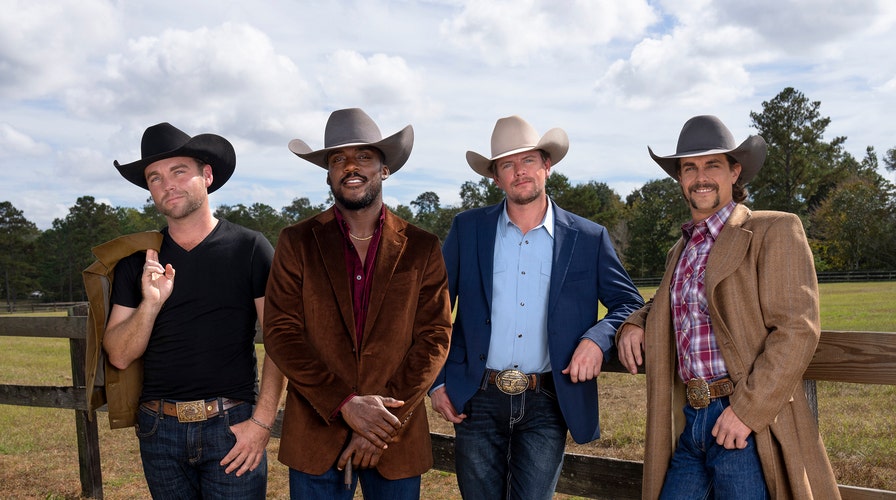
FOX’s reboot of Farmer Wants a Wife taps directly into heartland sensibilities—rural values, simple living, and honest love.
It’s not marketed as “conservative,” but its rural authenticity and family-centric tone have made it a hit among middle-America audiences tired of urban dating chaos. Wired Magazine called it “the anti-Bachelor for the MAGA era.”
3. The Hallmark Channel — Comfort TV with Traditional Values

For decades, Hallmark has quietly been the most consistent conservative-friendly network. Its formula—wholesome love stories, family unity, small-town charm—feels timeless.
During holiday seasons, Hallmark dominates cable ratings. Surveys show its core audience skews older, religious, and family-oriented, with high trust scores.
Even as competitors lean into edgy themes, Hallmark’s message remains simple: kindness, tradition, and faith still sell.
4. Faith-Based Streaming & Independent Studios
The success of The Chosen, a crowd-funded Christian drama series, has proven that faith-centric storytelling can rival Hollywood productions in viewership and quality.
Its success encouraged faith-based networks like Pure Flix, Angel Studios, and Good American Family to expand aggressively. Together, these outlets represent the digital migration of conservative entertainment.
How Networks and Creators Are Adapting
The entertainment industry isn’t ignoring the data—it’s adjusting rapidly.
1. Heartland-Themed Story Pitches
Writers and producers now frame projects with phrases like “set in small-town America” or “family legacy drama.” This framing has become a selling point in pitch meetings, not a risk factor.
A producer told Wired:
“People are pitching more shows like that because they realize that’s what’s selling.”
2. Expansion of Proven Franchises
The “Sheridanverse” model has inspired other networks to build extended universes grounded in American history and tradition. Prequels, spinoffs, and origin stories now provide multi-generational depth while maintaining a familiar moral compass.
3. Conservative-Friendly Streaming Launches
New entrants like Truth+, launched in 2025, promise “family-friendly and uncancellable content.”
These platforms mirror the business model of Netflix or Hulu but with explicit ideological differentiation, offering news, movies, and talk shows under one identity umbrella.
4. Marketing with Values, Not Politics
Studios have learned that slogans like “From the Heart of America” or “Stories that Honour Tradition” outperform overtly partisan appeals. Audiences respond to values storytelling, not propaganda.
5. Avoidance of Polarising Labels
Ironically, most of these “conservative” shows never market themselves as conservative. They frame their narrative in universal terms—family, land, survival, legacy. That subtlety helps broaden their demographic without alienating the base.
Audience Response: Who’s Watching and Why?
Recent research from Hub Entertainment and the ARF reveals that viewers’ ideological leanings heavily influence what shows they love.
Key trends:
- Rural and suburban viewers prefer family-driven dramas or competition shows grounded in reality.
- Urban, liberal audiences lean toward satire, irony, and issue-driven narratives.
- Yet cross-over hits like Yellowstone prove storytelling can bridge ideology if the emotional stakes are universal.
Moreover, right-leaning audiences often display higher emotional investment. Once they connect with a show, they stay loyal, engage online, and influence peers—making them a marketing goldmine for advertisers.
Practical Advice for Media Professionals and Brands
If you’re in the business of storytelling, streaming, or brand partnerships, understanding how to authentically engage conservative audiences is critical.
Here’s a playbook that works:
- Portray Authentic Values.
Showcase hard work, family, and faith as organic parts of character identity. Avoid stereotypes or parody. - Choose Resonant Settings.
Small towns, farms, military bases, churches, and community centres feel “real” to these audiences. - Use Emotion Over Ideology.
Focus on human connection, not political debate. Heart before hashtag. - Build Long-Term Community.
Conservative-friendly audiences thrive in forums, Facebook groups, and local events. Brands that nurture these communities earn lifetime loyalty. - Advertise Through Trusted Channels.
Partner with conservative-friendly podcasts, faith-based influencers, or local media rather than relying solely on big tech platforms. - Mind the Balance.
Stay inclusive. “Conservative-friendly” should mean value-driven, not exclusionary.
10 Trending FAQs About Conservative-Friendly TV in the MAGA Era
1. What exactly defines the “MAGA Era” in television?
The term “MAGA Era” reflects a cultural moment in which many Americans seek entertainment that upholds patriotism, faith, and family. It’s less about Donald Trump himself and more about the long-term ideological shift he accelerated—where audiences reject elitism and crave authenticity.
2. Are these shows political propaganda?
No. Most conservative-friendly shows focus on shared human values—loyalty, love, redemption, justice—rather than political advocacy. The political label often comes from critics, not creators.
3. Which shows are leading the conservative-friendly trend?
Top performers include:
- Yellowstone (Paramount)
- Farmer Wants a Wife (FOX)
- When Calls the Heart (Hallmark)
- The Chosen (Angel Studios)
- 1883, 1923, and other Sheridanverse titles
- Reacher and Jack Ryan (Amazon Prime) — both spotlight rugged individualism.
4. Why do conservative audiences love these shows?
Because they see themselves represented—morally complex yet principled characters, pride in hard work, and respect for heritage. These shows restore dignity to everyday American life often overlooked by Hollywood.
5. How are streaming platforms adapting?
Mainstream giants like Amazon and Paramount+ are doubling down on neo-western and heartland themes. Meanwhile, independent platforms such as Pure Flix and Truth+ cater directly to faith-based demographics.
6. Are liberal viewers ignoring these shows?
Not necessarily. Yellowstone and Jack Ryan attract bipartisan audiences because good storytelling transcends politics. However, the core fanbase remains red-state dominant.
7. What’s the business upside for networks?
Conservative audiences demonstrate higher loyalty and lower churn rates. Their engagement is relational, not transactional—meaning longer subscriptions, stronger merchandise sales, and community virality.
8. What challenges do creators face in this genre?
They risk being pigeonholed or mischaracterised as political propagandists. Creators must balance authenticity with inclusivity, ensuring their narratives don’t alienate wider audiences.
9. Will this trend last beyond 2025?
Yes. With polarization showing no signs of decline and streaming niches thriving, conservative-friendly TV is positioned for long-term growth, not a short-term fad.
10. How can brands advertise responsibly in this space?
Brands should align with values, not parties—highlighting community, craftsmanship, and integrity. Authenticity drives trust among conservative viewers far more than slogans.
The Big Picture: What This Means for America’s Cultural Landscape
The rise of conservative-friendly TV is about more than content—it’s about identity validation. For decades, mainstream media often depicted conservative or rural Americans as background characters. Today, they’re the heroes.
This transformation has major implications:
- Cultural Influence: These shows reassert the cultural significance of small-town America.
- Industry Strategy: Networks diversify to survive, catering to segmented audiences.
- Brand Strategy: Marketers who understand cultural alignment will win long-term trust.
- Social Division: As entertainment mirrors ideology, America’s “two TV nations” become more visible—but also more self-aware.
- International Impact: “Americana storytelling” rooted in tradition and self-reliance is finding global fans, from Brazil to Poland.
Key Takeaways for Creators, Marketers, and Viewers
- Conservative-friendly TV is mainstreaming rapidly, not fading.
- Authenticity and emotional resonance trump overt political messaging.
- Heartland storytelling offers a massive business opportunity for media houses.
- Faith, family, and legacy are timeless—and profitable—story pillars.
- The future of entertainment lies in values-based segmentation, not one-size-fits-all messaging.
Conclusion: Tradition Meets Tomorrow
In the “MAGA Era,” American television is rediscovering its soul. The success of conservative-friendly shows proves that viewers crave connection, authenticity, and identity affirmation in their entertainment.
For Hollywood, this is both a creative awakening and a challenge—to tell stories that honour all of America, not just one cultural coastline.